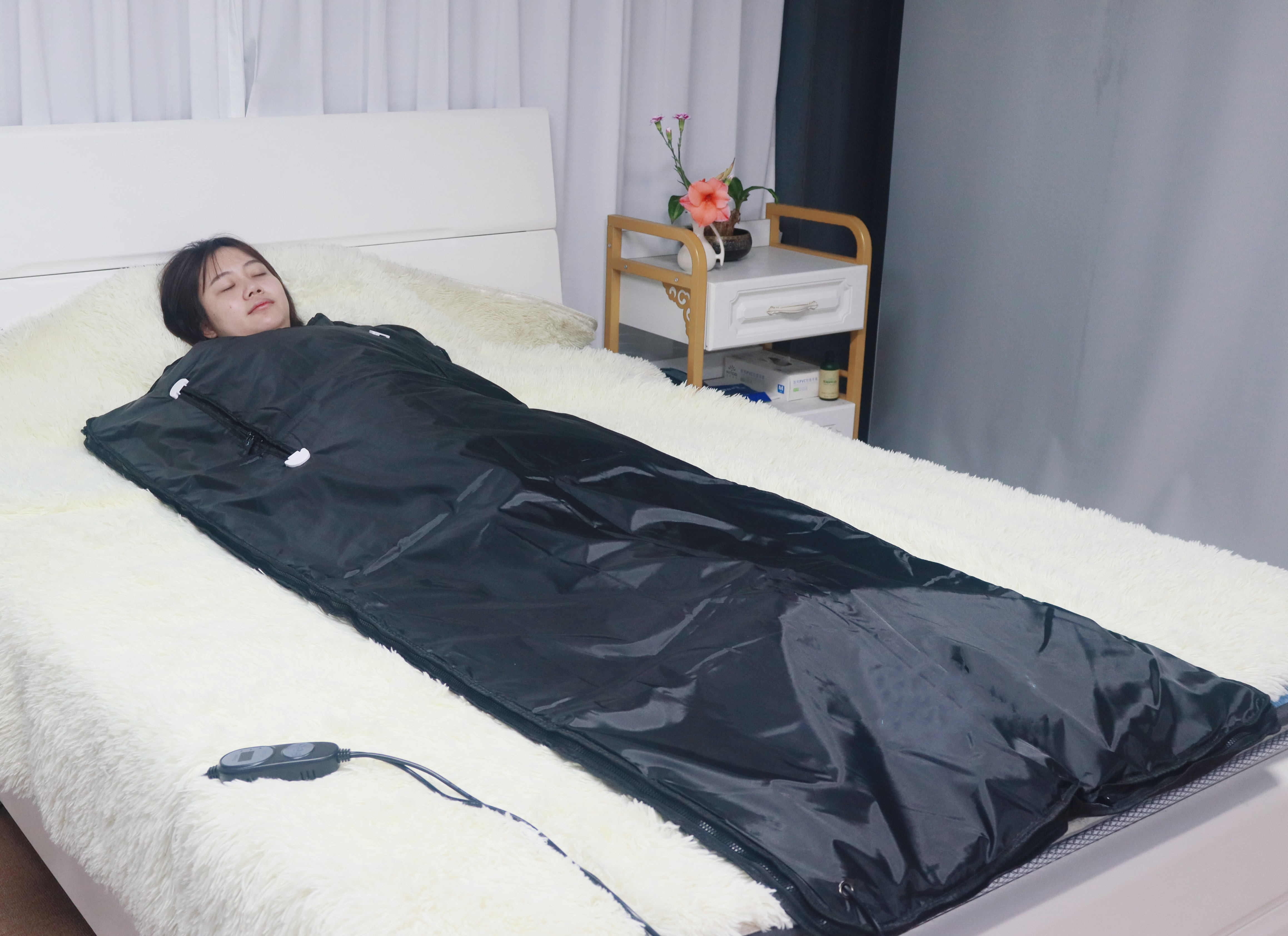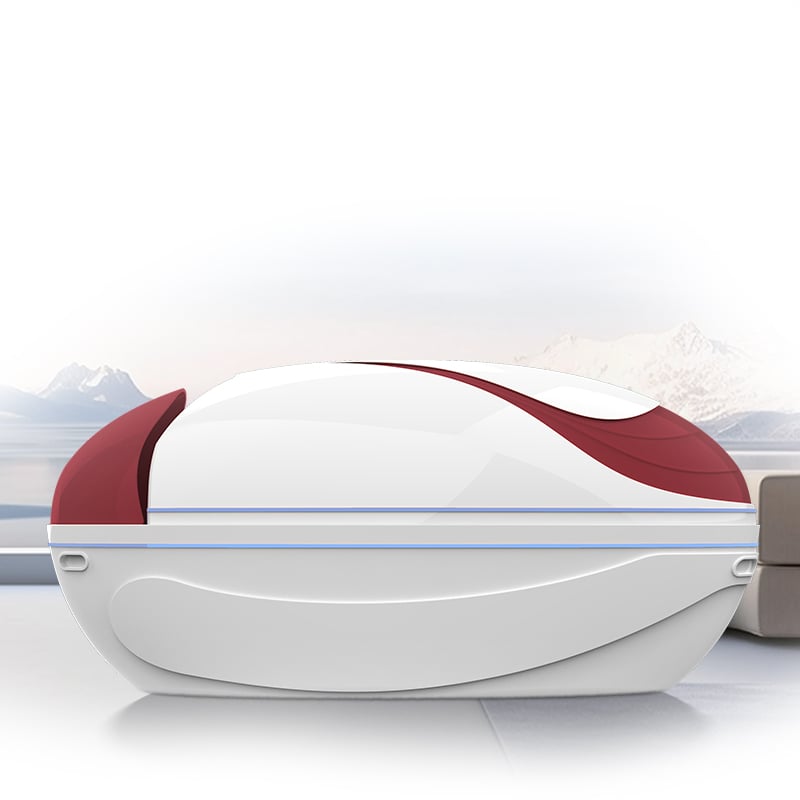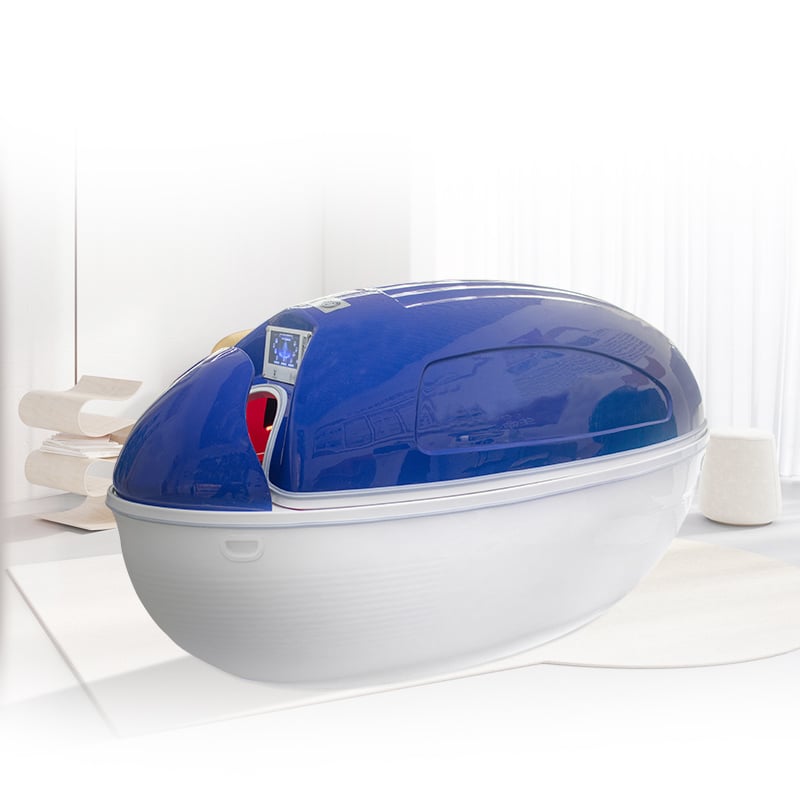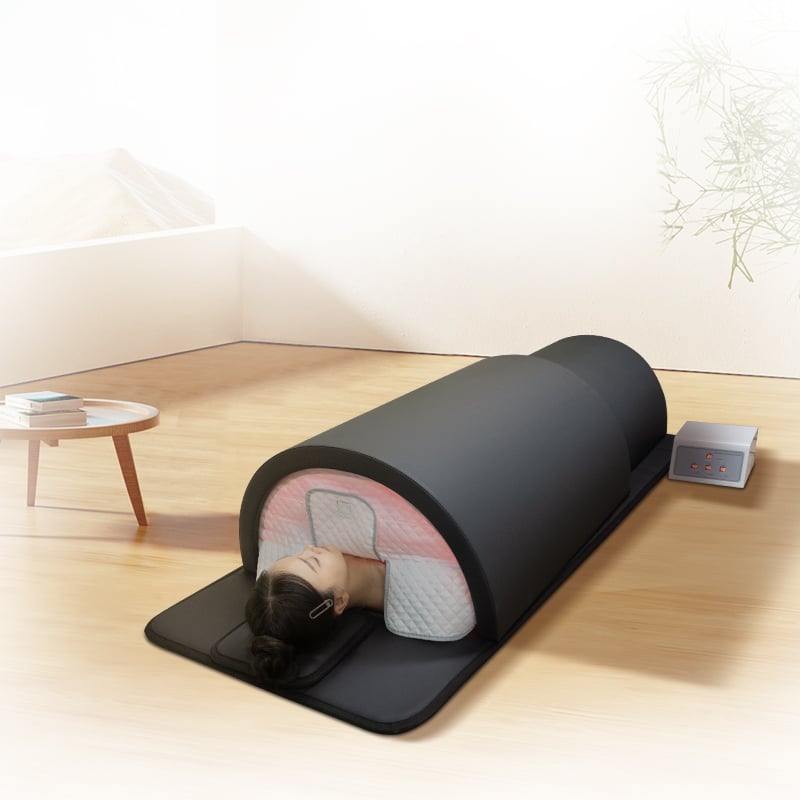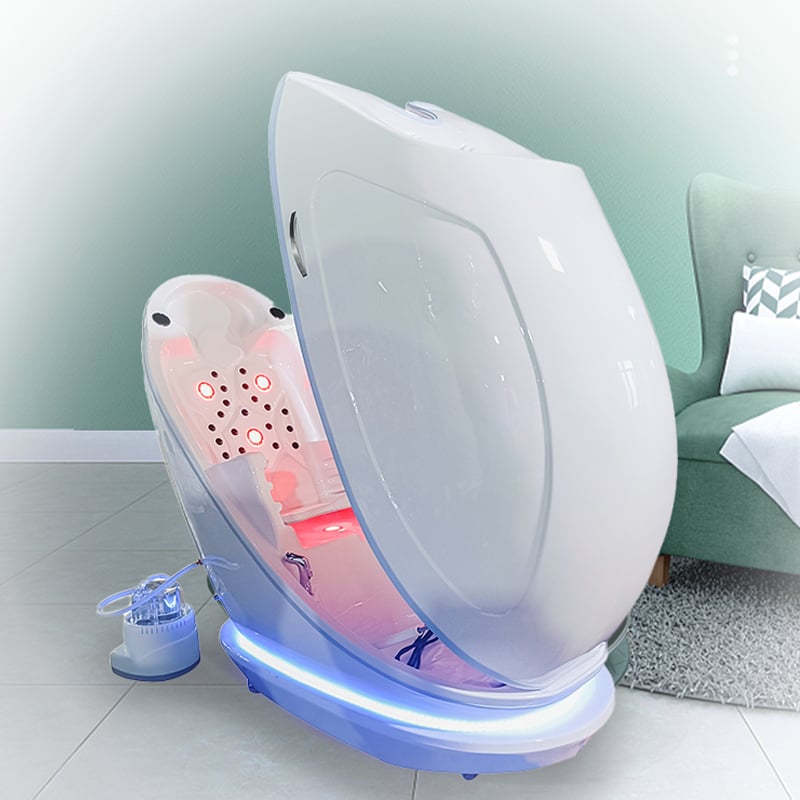
After every infrared dome session, it's best to do a quick wipe down right away. Use those lint free microfiber cloths to get rid of sweat buildup and body oils before they start to dry or turn into something worse. When cleaning comes to mind, grab an EPA approved cleaner that isn't abrasive and follow what the manufacturer says about dilution ratios. Steer clear of anything with ammonia though because these kinds of cleaners can really mess up acrylic surfaces and make them cloudy over time. Try to finish everything within about five minutes or so. The quicker we clean up, the better chance we have at keeping moisture from getting into those sensitive areas around electrical components and seals where problems tend to happen.
Conduct comprehensive monthly cleans targeting stubborn organic buildup, mineral deposits, and biofilm-prone zones:
Post-cleaning inspections must confirm no debris remains in ventilation grooves or emitter shrouds. Consistent deep cleaning extends infrared dome lifespan by 40% compared to reactive maintenance, per peer-reviewed findings in the Facility Management Journal (2023).
Always disconnect power at the circuit breaker before cleaning near emitters, control panels, or wiring conduits. Follow a strict 3-stage drying protocol:
Maintain a 6-inch clearance from electrical components during wet cleaning. Reactivation before full drying risks short circuits, insulation breakdown, and thermal runaway especially in high-voltage emitter arrays.
Managing airflow strategically really matters when it comes to controlling moisture buildup. Daily ventilation should be part of routine maintenance, especially right after those intense heat sessions when the air gets all damp and sticky. Getting rid of that saturated air helps prevent condensation problems down the road. Smart monitoring systems with real time humidity sensors work wonders too. These devices can send alerts when humidity goes above 50%, which we know is when mold starts growing faster than normal. Many facilities also find it helpful to schedule short air out periods. Opening dome vents for about twenty minutes after use lets trapped steam escape naturally. Buildings that implement these methods tend to experience around two thirds less mold issues compared to places relying on basic ventilation alone.
Moisture problems over time really mess with building structures. Wood gets warped, layers start to separate (we call it delamination), and those metal screws and bolts just rot away. The best approach? Seal up all those electrical conduit openings, where panels meet each other, and around frame connections using silicone gaskets that keep water out. Get some good quality dehumidifiers running near wooden parts when nobody's around, keeping the air dry at about 40 to 45 percent relative humidity. This helps prevent wood from expanding and contracting too much which causes cracks. Cedar and hemlock frames need special attention though. Apply those hydrophobic wood sealants that are safe even if they touch food stuffs once a year to cut down on water soaking in. And don't forget about thermal imaging checks every three months or so. These scans pick up issues like warping or heat bridges long before anyone would notice anything wrong with their eyes.
Interior cedar and hemlock wood needs special care when installed under infrared domes where they face constant challenges like temperature swings, high moisture levels, and UV light coming through clear dome materials. To keep these woods looking good, we recommend refreshing their natural oils every few months. Tung oil works well for this, or sometimes boiled linseed oil if available locally. Apply it thin and even across surfaces, not too heavy. Look for products that contain light stabilizers since sunlight can really break down wood over time, causing gray spots, brittle fibers, and losing those nice cedar smells people love. Keeping humidity around 40-60% is crucial too. Most installations have built-in monitors now, but watch out when readings go outside that sweet spot because wood starts shrinking and expanding rapidly, creating tiny cracks nobody wants to see. Thermal treated lumber makes a big difference in how straight things stay over years. Some studies show up to 70% better stability, so warped frames become much less common. After applying any oil treatment, let everything dry completely for at least two days before turning systems back on. This gives solvents time to evaporate properly and keeps indoor air safe from lingering chemicals.
Check heaters and their emitters visually once a week. Look out for signs like discoloration spots, pits forming, reflectors that have come loose, or when dust builds up on those quartz tubes and ceramic parts. Don't forget to tighten all the electrical connections while doing these checks. Believe it or not, about 30% of early failures happen because terminals just aren't secure enough in places where things get really hot according to Energy Safety Journal from last year. For thermal calibration, grab a good quality non-contact infrared thermometer every three months or so. Make sure the temperature readings match what the manufacturer says they should be within around plus or minus 5%. If there's any difference between what's expected and what's measured, that usually means something isn't quite right with the reflector alignment, maybe some components are getting old, or perhaps there's been a shift in how much power is being supplied. Wanting to keep equipment running past the decade mark? Well then regular maintenance matters a lot.
Always power down completely and allow a minimum 30-minute cooldown before handling components. Document all inspection and calibration results to support predictive maintenance planning and preserve warranty compliance.
It's recommended to use an EPA approved, non-abrasive cleaner without ammonia. Lint-free microfiber cloths are ideal for wiping down the surfaces.
Regular deep cleaning with pH-neutral cleaners and treating mold-prone areas with a vinegar-to-water solution can prevent mold and residue buildup. Ensuring proper ventilation and humidity monitoring also helps.
Managing humidity is crucial to prevent mold growth and condensation, which can damage structures over time. Humidity levels above 50% can accelerate mold growth.
A visual inspection should be done weekly, and a thermal calibration should be performed every three months to ensure efficient operation.
After cleaning, towel-drying accessible surfaces, running ventilation fans for at least 20 minutes, and verifying internal humidity below 15% with hygrometers before re-energizing are essential steps.
 Hot News
Beautywellness Health Technology,Specialized in manufacturing far-infrared heating sauna series, beauty spa capsules, therapy heating mattress ,pemf mat,etc.
Room 728, No. 777 Helong 1st Road, Baiyun District, Guangzhou City
Copyright © 2025Guangzhou Beautywellness Health Technology Co., Ltd. all rights reserved Privacy Policy
 EN
EN