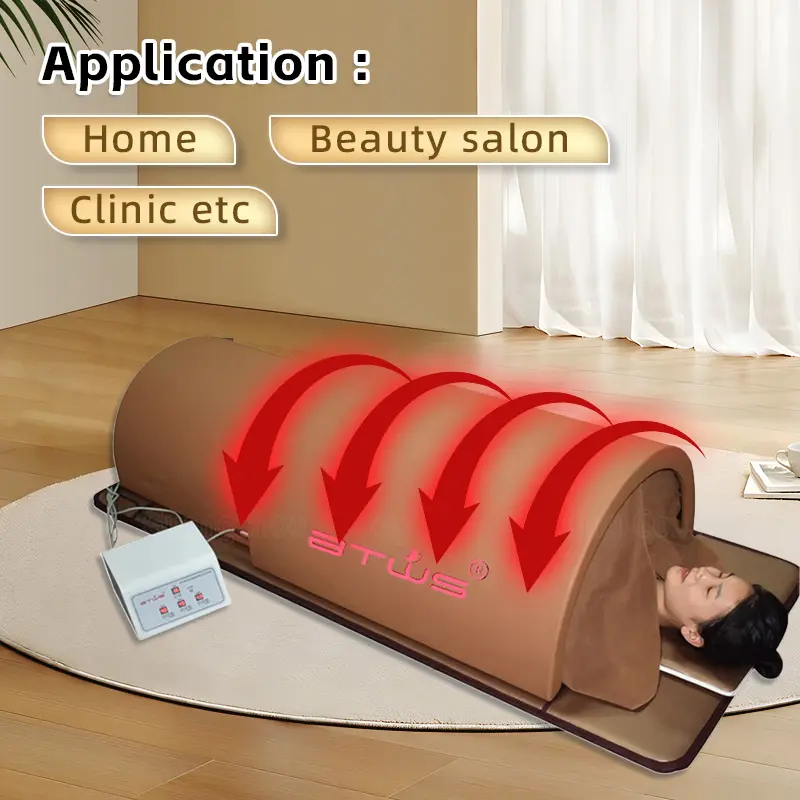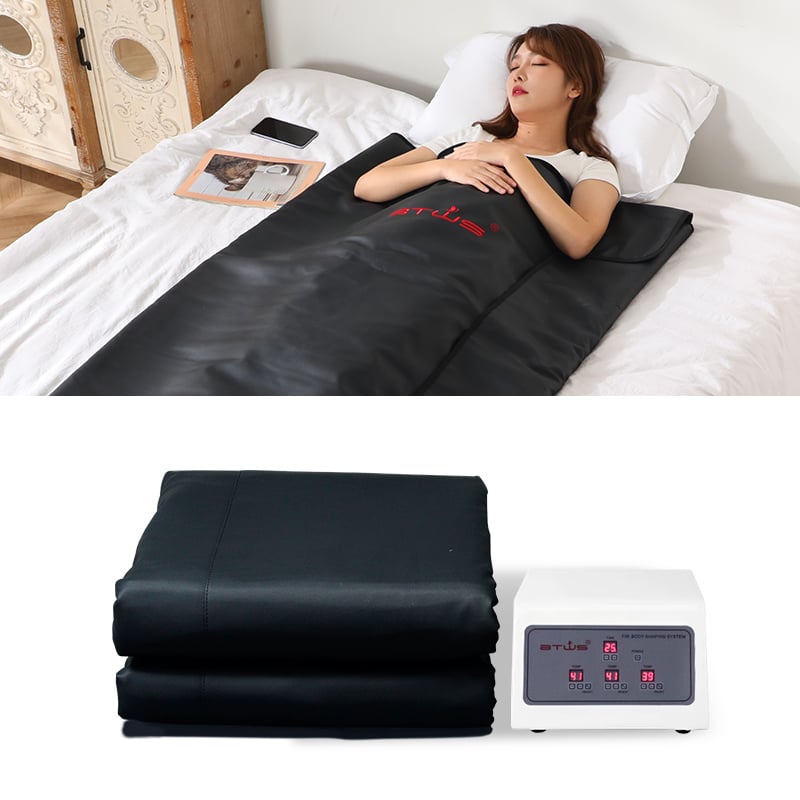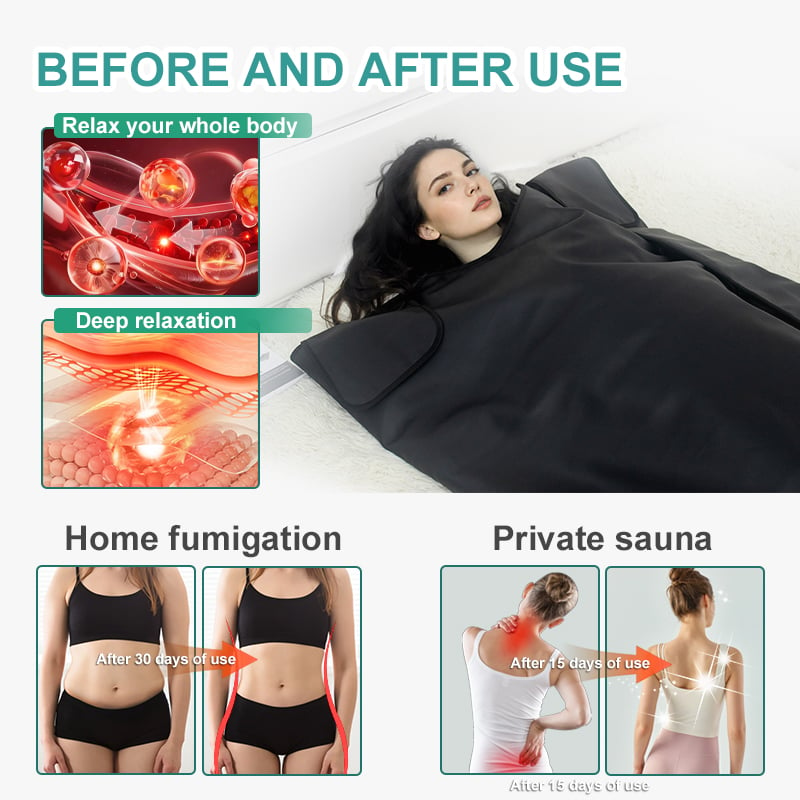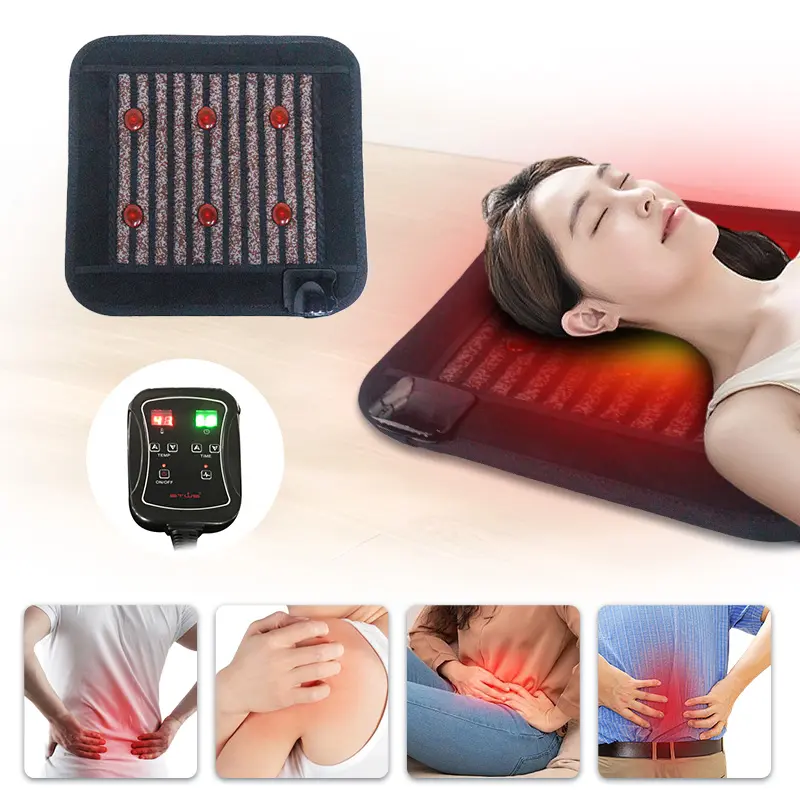
Getting rid of sweat, body oils, and whatever else gets on the detox blanket right after using it makes a big difference. These substances can soak into the fabric over time, which lets bacteria grow unchecked according to some hygiene research we've seen. The good news is this regular cleaning cuts down on bacterial growth by around 80%, plus keeps those infrared properties working as they should. If someone waits too long between cleanings, all sorts of stuff builds up on the surface. This buildup actually starts breaking down the fibers themselves, makes the heat transfer less effective, and could lead to stubborn stains or even damage to the heating elements inside. Most folks find that taking just a few minutes to wipe things down gently after each session really pays off in the long run. We're talking about extending the useful life of these blankets from maybe six months or so up to several years with proper care.
Harsh chemicals compromise sensitive materials—including conductive threads and antimicrobial coatings—so rely on proven, non-abrasive alternatives. White vinegar’s mild acidity dissolves grime; baking soda neutralizes odors without scrubbing; alcohol-free wipes offer safe surface disinfection. For targeted cleaning:
People sweat, there's no getting around it, but we can definitely manage how that moisture affects our gear. When things get damp, grab a clean microfiber cloth and blot away the extra sweat right away. Don't rub though, just gently dab until it's mostly gone. For really dirty spots, go ahead and rinse those inner layers under cold running water mixed with some gentle, unscented detergent. Important note: never dunk the whole blanket in water, don't wring it out or twist it up anywhere close to the seams or where the sensors are located. Those heating parts need special attention too. Take a separate dry cloth and carefully pat them down so they're completely dry all over. Then lay everything flat somewhere shady to air dry naturally, keeping it away from any direct heat. This helps maintain both the temperature control features and keeps the fabric feeling nice and soft for longer.
Consistent upkeep ensures your detox blanket remains hygienic, safe, and therapeutically effective. These evidence-based practices align with manufacturer guidelines and peer-reviewed textile preservation standards.
After each workout session, it's best to wipe down the interior lining using a damp microfiber cloth, especially when the equipment gets daily use. This helps get rid of sweat and body oils before they start to break down or seep into different layers of material. For those who only use their gear weekly, doing a thorough cleaning about every third or fourth time makes sense. Bacteria tends to grow fast in damp conditions, and studies show colonies can appear within just two days according to research published in the Journal of Applied Microbiology. Remember to check what the manufacturer recommends for maintenance schedules too. Going beyond these guidelines might not only void any warranty coverage but also raise the chances of something breaking down unexpectedly later on.
Conduct a brief visual and tactile inspection monthly to catch early signs of wear. Focus on:
Drying needs to happen in the air only, no exceptions. Folding, rolling or putting away a wet detox blanket is a big no-no. Spread it out completely on something clean and flat where there's good airflow but not too much humidity. Give it around six to eight hours to dry thoroughly because any leftover damp spots can lead to mold growth. Studies show fabrics holding even 5% moisture start showing mold within three days according to Material Science Journal from last year. Want things to dry quicker and stay safe? Try these tips:
Keep the detox blanket stored somewhere cool, ideally under 70 degrees Fahrenheit, away from direct light and in a place where the air isn't too damp (below 50% humidity works best). Don't put it in attics or basements where temperature swings are common, and definitely stay clear of any closet that gets sunlight. The UV rays really take a toll on those special antimicrobial coatings, cutting their effectiveness down about 34% after just half a year according to some recent research from Textile Preservation Studies back in 2022. Wrap the blanket in something breathable like cotton or canvas rather than plastic bags since they let air circulate properly and stop moisture buildup. Throw in a little bag of plain old baking soda for good measure too. It helps absorb unwanted smells pretty well, around 89% effective if we're going by lab tests, but even better when combined with proper ventilation.
| Factor | Requirement | Risk if Ignored |
|---|---|---|
| Temperature | Stable, cool environment | Fiber breakdown |
| Light Exposure | UV-protected space | Material degradation |
| Container | Breathable natural fabric | Mold amplification |
Let the blanket return to room temperature before folding. Refold monthly along different axes to prevent permanent creasing—and especially avoid compressing heating pathways.
It's best to wipe down the interior lining after each use, especially if the blanket is used daily. For weekly use, a thorough cleaning every third or fourth session is recommended.
Do not fully submerge the blanket in water. You can rinse dirty spots under cold running water with a mild detergent but avoid twisting or wringing it near seams or sensors.
Utilize a mild vinegar-water solution, baking soda, and alcohol-free wipes for safe cleaning without damaging sensitive materials.
Store in a cool, dry, UV-protected space with breathable covers. Avoid attics, basements, and areas with temperature fluctuations.
 Hot News
Beautywellness Health Technology,Specialized in manufacturing far-infrared heating sauna series, beauty spa capsules, therapy heating mattress ,pemf mat,etc.
Room 728, No. 777 Helong 1st Road, Baiyun District, Guangzhou City
Copyright © 2025Guangzhou Beautywellness Health Technology Co., Ltd. all rights reserved Privacy Policy
 EN
EN