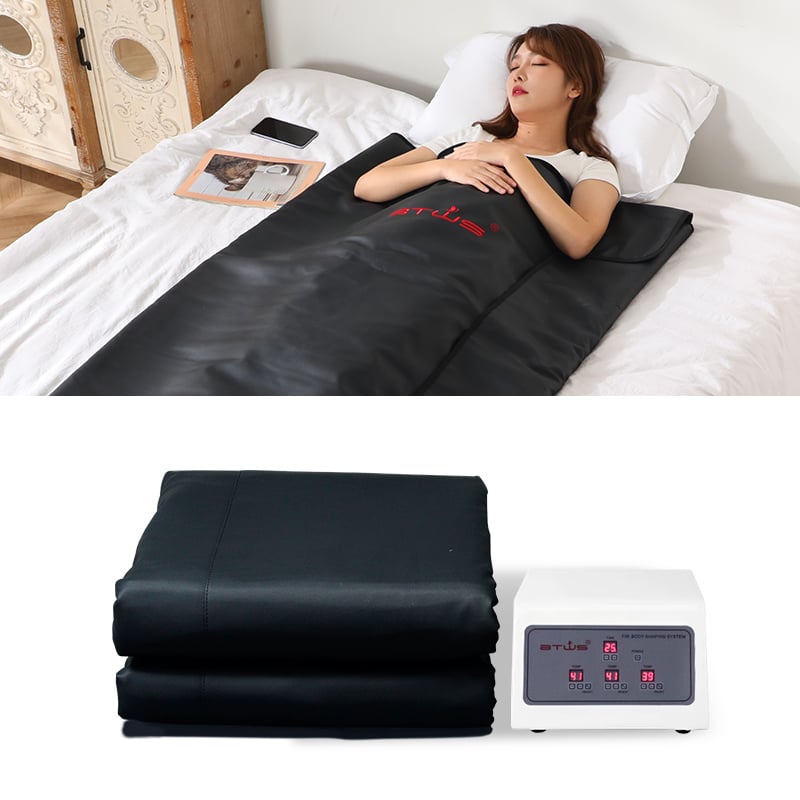
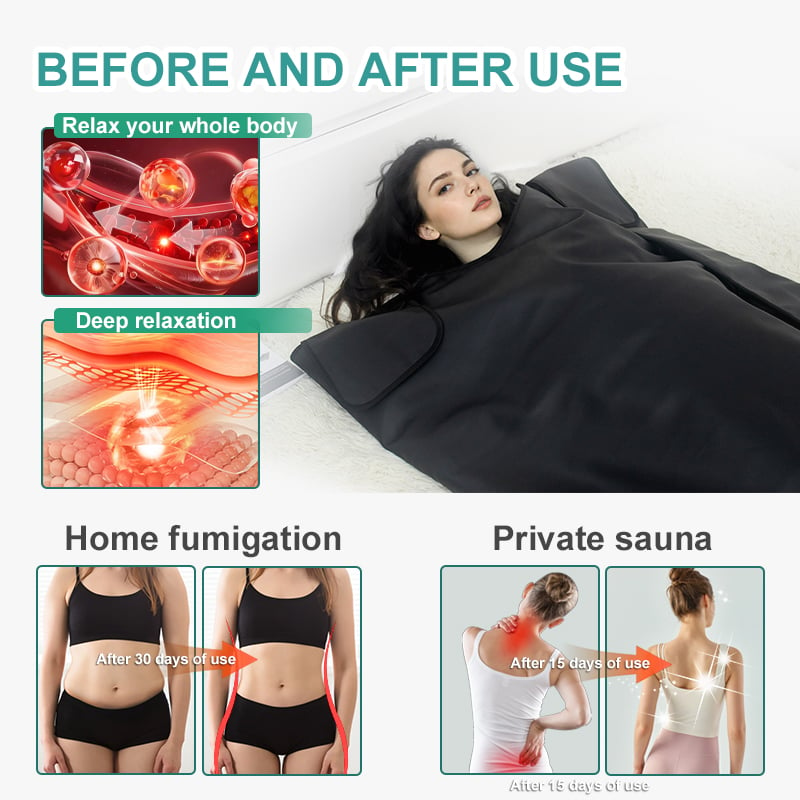
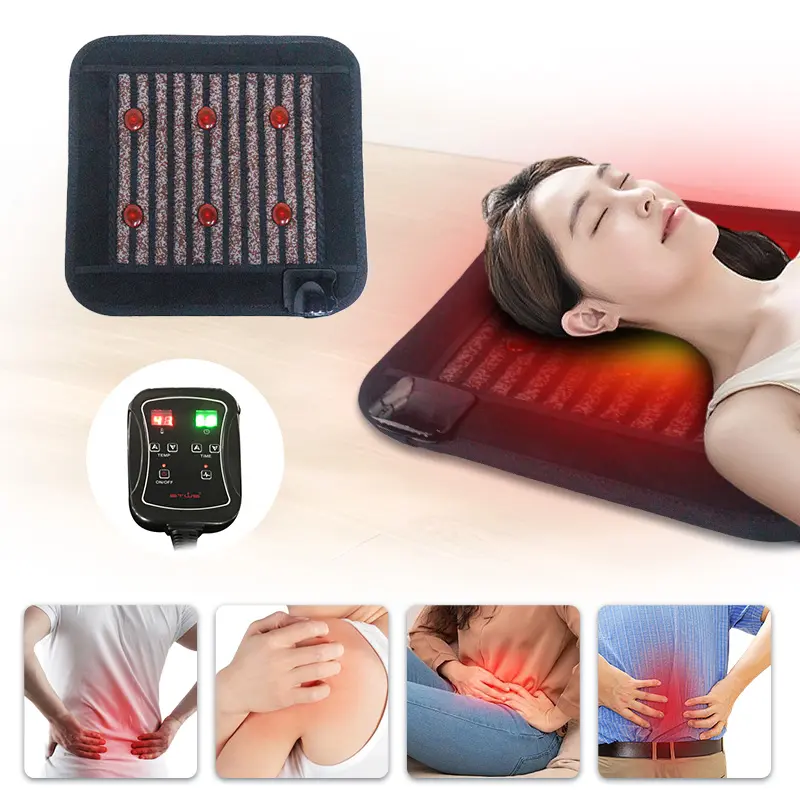
디톡스 담요를 사용한 직후 땀, 피지, 기타 오염 물질을 제거하는 것이 매우 중요합니다. 이러한 물질들이 시간이 지남에 따라 섬유에 스며들어 박테리아가 번식하기 좋은 환경을 만든다는 위생 연구 결과가 있습니다. 다행히 정기적인 세척을 통해 박테리아 번식을 약 80%까지 줄일 수 있으며, 적외선 기능도 제대로 유지됩니다. 세척 주기를 너무 오래 두면 표면에 온갖 오염 물질이 쌓이게 됩니다. 이렇게 쌓인 오염 물질은 섬유를 손상시키고, 열 전달 효율을 떨어뜨리며, 심한 얼룩이나 내부 발열체 손상으로 이어질 수 있습니다. 대부분의 사람들은 사용 후 몇 분만 투자하여 부드럽게 닦아주는 것만으로도 장기적으로 큰 효과를 볼 수 있다고 합니다. 제대로 관리하면 담요의 수명을 6개월에서 몇 년까지 연장할 수 있습니다.
강한 화학물질은 전도성 실과 항균 코팅 등 민감한 소재를 손상시킬 수 있으므로 검증된 비마모성 대체제를 사용하세요. 흰 식초의 약한 산성은 오염을 분해하며, 베이킹 소다는 문지르지 않고도 냄새를 중화시키고, 알코올 프리 물티슈는 안전한 표면 살균이 가능합니다. 특정 부위를 청소할 때는 다음을 참고하세요.
사람들은 땀을 흘리는 것이 어쩔 수 없는 일이지만, 그 습기가 장비에 어떤 영향을 미치는지는 충분히 관리할 수 있습니다. 물기가 생기면 곧바로 깨끗한 마이크로파이버 천으로 땀을 살살 두드려 제거하세요. 문지르지 말고, 거의 없어질 때까지 부드럽게 두드리기만 하세요. 특히 더러운 부분은 찬물에 순한 무향 세제를 약간 섞어 흐르는 물에서 안쪽 층을 헹구셔도 됩니다. 중요한 점: 전체 담요를 물에 담그거나, 이음매나 센서가 있는 부분 근처를 비틀거나 짜내는 것은 절대 금지입니다. 가열 부위 역시 특별한 주의가 필요합니다. 별도의 마른 천을 사용해 전부 완전히 말릴 때까지 조심스럽게 두드려 말리세요. 그런 다음 직사열을 피할 수 있는 그늘진 곳에 평평하게 눕혀 자연 바람에 말리십시오. 이렇게 하면 온도 조절 기능이 오래 유지되고, 원단도 더욱 오랫동안 부드러운 느낌을 유지할 수 있습니다.
꾸준한 관리를 통해 디톡스 담요를 위생적이고 안전하며 치료적으로 효과적인 상태로 유지할 수 있습니다. 이러한 근거 기반 관리 방법은 제조업체의 지침과 동료 검토된 섬유 보존 기준에 부합합니다.
각 운동 세션 후에는 특히 장비를 매일 사용하는 경우 마이크로화이버 천으로 내부 안감을 적신 상태에서 닦아주는 것이 가장 좋습니다. 이렇게 하면 땀과 피지가 소재의 여러 층에 스며들거나 분해되기 전에 제거할 수 있습니다. 일주일에 한 번 정도만 장비를 사용하는 경우에는 세 번 또는 네 번 사용할 때마다 철저한 청소를 하는 것이 적절합니다. 박테리아는 습기가 있는 환경에서 급속히 번식하며, 『응용미생물학 저널(Journal of Applied Microbiology)』에 발표된 연구에 따르면 단 이틀 만에 집락이 형성될 수 있습니다. 유지보수 주기에 대해서는 제조업체의 권장 사항도 반드시 확인하시기 바랍니다. 이러한 지침을 초과하면 보증 적용이 무효화될 뿐 아니라 향후 예기치 못한 고장 발생 가능성이 높아질 수 있습니다.
월간 간단한 시각적 및 촉각적 점검을 실시하여 초기 마모 징후를 조기에 발견하세요. 다음 사항에 집중하세요:
건조는 반드시 공기 중에서만 이루어져야 하며, 예외는 없습니다. 젖은 디톡스 담요를 접거나 말아서 보관하는 것은 엄격히 금지됩니다. 깨끗하고 평평한 곳에 완전히 펼쳐 놓되, 통풍이 잘 되고 습도가 너무 높지 않은 장소를 선택하세요. 최소 6~8시간 정도 충분히 건조시켜야 하는데, 남아 있는 습기가 있으면 곰팡이가 생길 수 있기 때문입니다. 작년 <재료과학 저널>에 따르면, 섬유가 단 5%의 습기를 유지하더라도 사흘 이내에 곰팡이가 발생하기 시작할 수 있다고 합니다. 더 빠르고 안전하게 건조시키려면 다음 팁을 시도해 보세요.
디톡스 담요는 서늘한 곳에 보관하세요. 이상적으로는 섭씨 21도 이하에서, 직사광선이 닿지 않으며 습기가 너무 많지 않은 장소(습도 50% 이하가 가장 적합)를 선택하는 것이 좋습니다. 온도 변화가 심한 다락방이나 지하실에는 절대 두지 마세요. 햇빛이 들어오는 옷장도 피해야 합니다. 자외선은 특수 항균 코팅에 상당한 손상을 주며, 2022년 섬유보존연구소(Textile Preservation Studies)의 최근 연구에 따르면, 단 반년 만에 그 효과가 약 34% 감소할 수 있습니다. 비닐 봉투보다는 면이나 캔버스처럼 통기성 있는 소재로 감싸는 것이 좋습니다. 이렇게 하면 공기가 원활히 순환되고 습기 축적이 방지됩니다. 또한 베이킹 소다를 작은 천 주머니에 넣어 함께 보관하면 좋습니다. 실험실 테스트 기준으로 냄새 제거 효과가 약 89% 정도이며, 적절한 환기와 병행하면 그 효과가 더욱 향상됩니다.
| 요인 | 요구사항 | 무시할 경우의 위험 |
|---|---|---|
| 온도 | 안정적이고 서늘한 환경 | 섬유 파손 |
| 빛 노출 | 자외선 차단 공간 | 소재 열화 |
| 컨테이너 | 통기성 있는 천연 섬유 | 곰팡이 증식 |
접기 전에 담요가 실내 온도로 돌아가도록 하십시오. 영구적인 주름을 방지하기 위해 매월 다른 축을 따라 다시 접으십시오. 특히 가열 경로를 압축하지 마십시오.
특히 담요를 매일 사용하는 경우, 각 사용 후 내부 안감을 닦아주는 것이 가장 좋습니다. 일주일에 한 번 사용하는 경우, 세 번째나 네 번째 사용마다 철저한 청소를 권장합니다.
담요를 물에 완전히 담그지 마십시오. 찬물에 순한 세제를 사용해 더러운 부분만 헹굴 수는 있지만, 이음매나 센서 근처에서는 비비거나 짜내는 것을 피하십시오.
민감한 소재를 손상시키지 않으면서 안전하게 청소하기 위해 순한 식초와 물의 혼합액, 베이킹소다, 알코올 프리 클린징티슈를 사용하십시오.
통풍이 되는 커버와 함께 서늘하고 건조하며 자외선으로부터 보호되는 장소에 보관하십시오. 다락방, 지하실 및 온도 변화가 큰 장소는 피하십시오.
 최신 소식
최신 소식2025-10-31
2025-02-08
2025-02-08
2025-02-07

뷰티웰니스 헬스 기술, 원적외선 가열 사우나 시리즈, 뷰티 스파 캡슐, 치료용 가열 매트리스, pemf 매트 등을 전문으로 제조합니다.
Room 728, No. 777 Helong 1st Road, Baiyun District, Guangzhou City
Copyright © 2025Guangzhou Beautywellness Health Technology Co., Ltd. all rights reserved 개인정보 보호 정책
 EN
EN