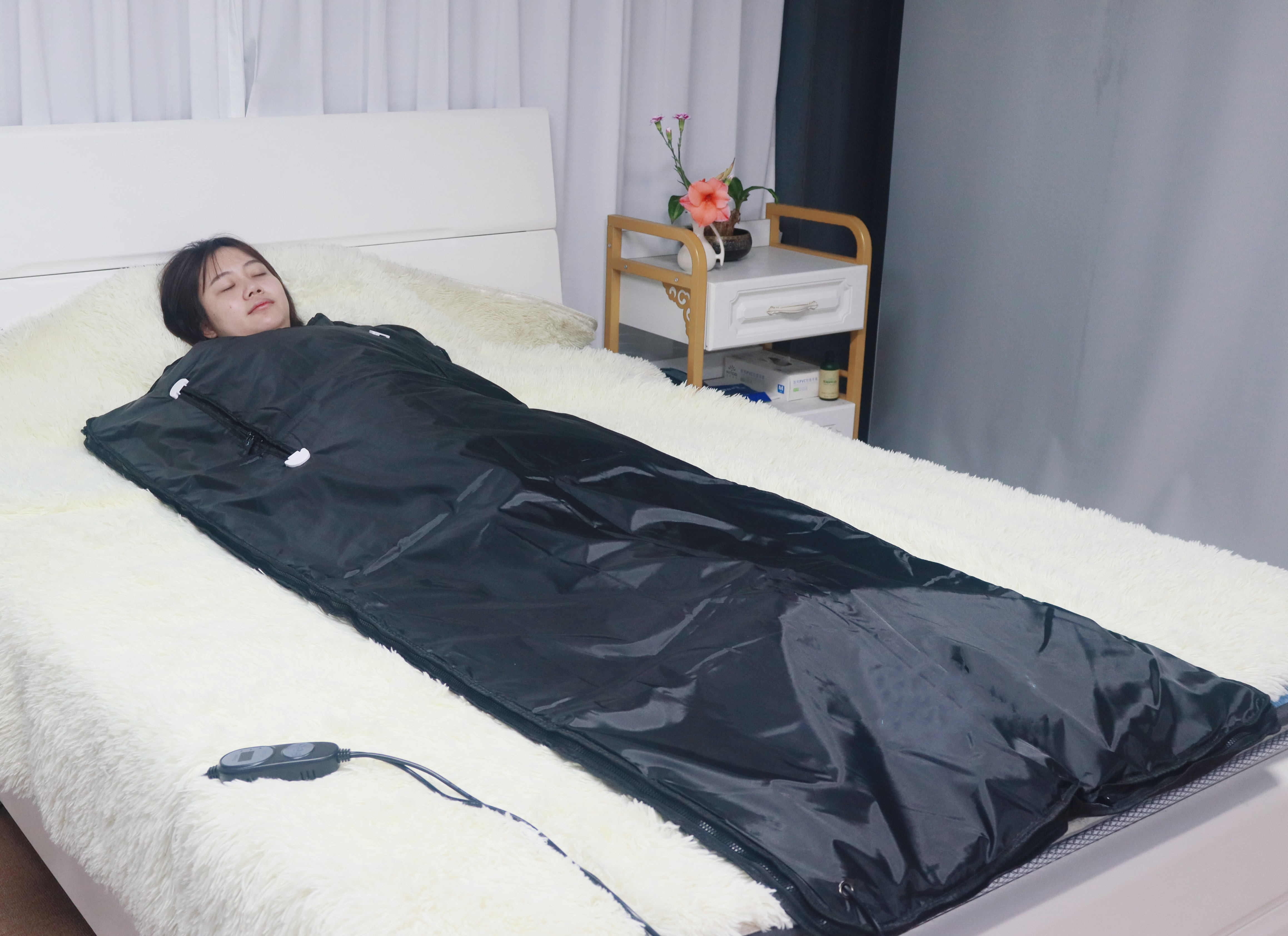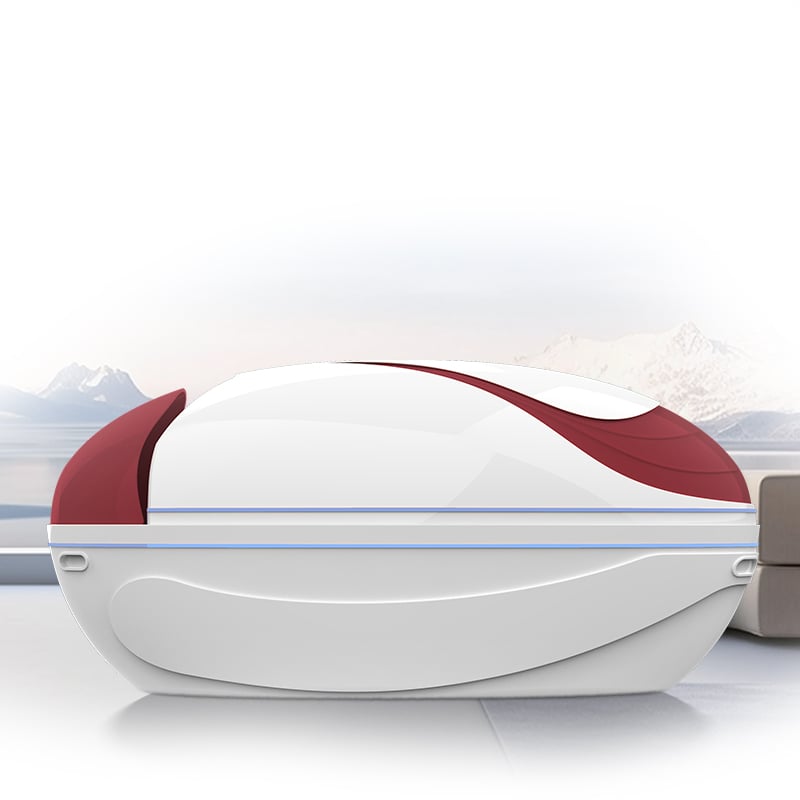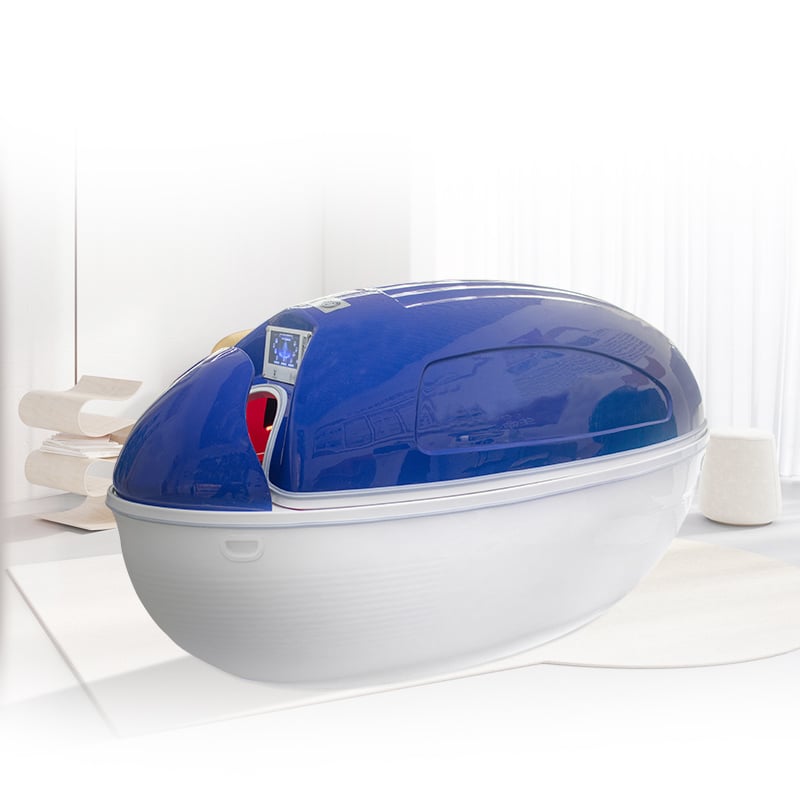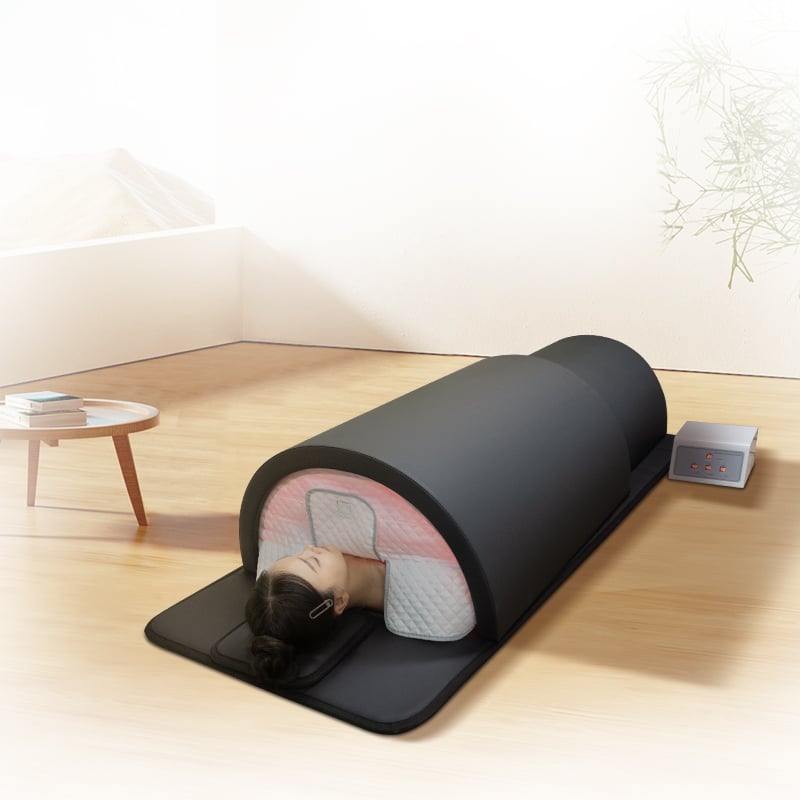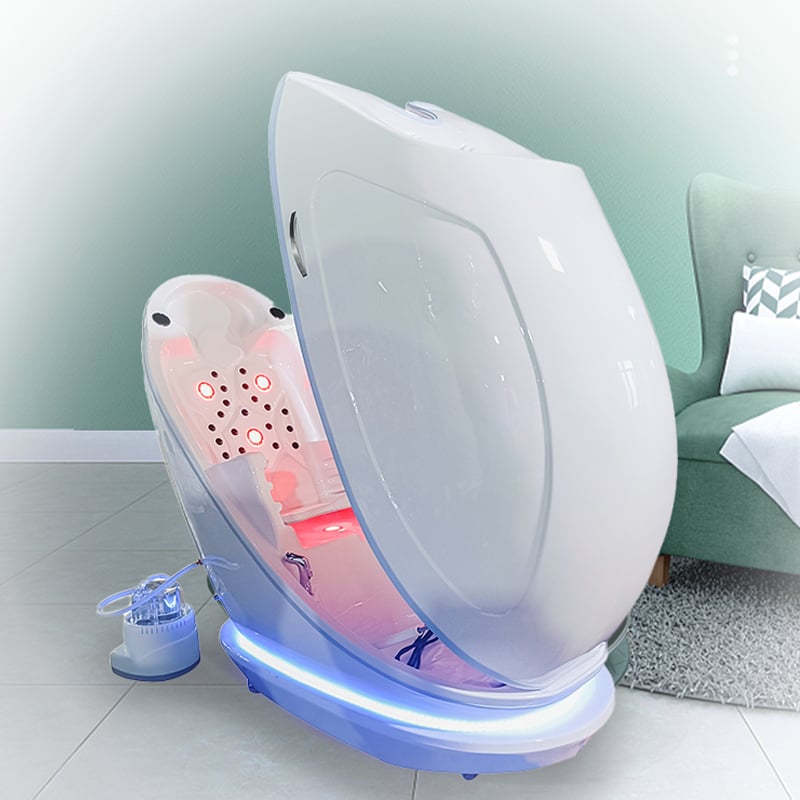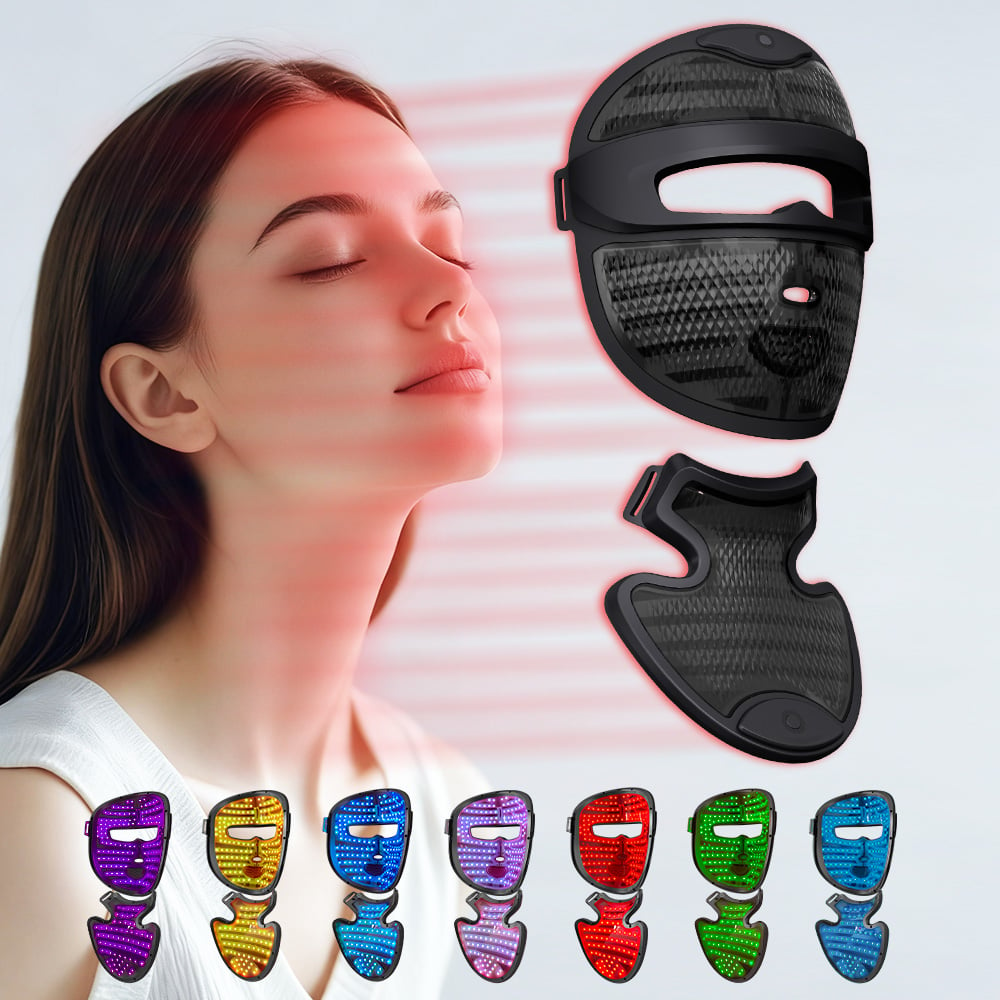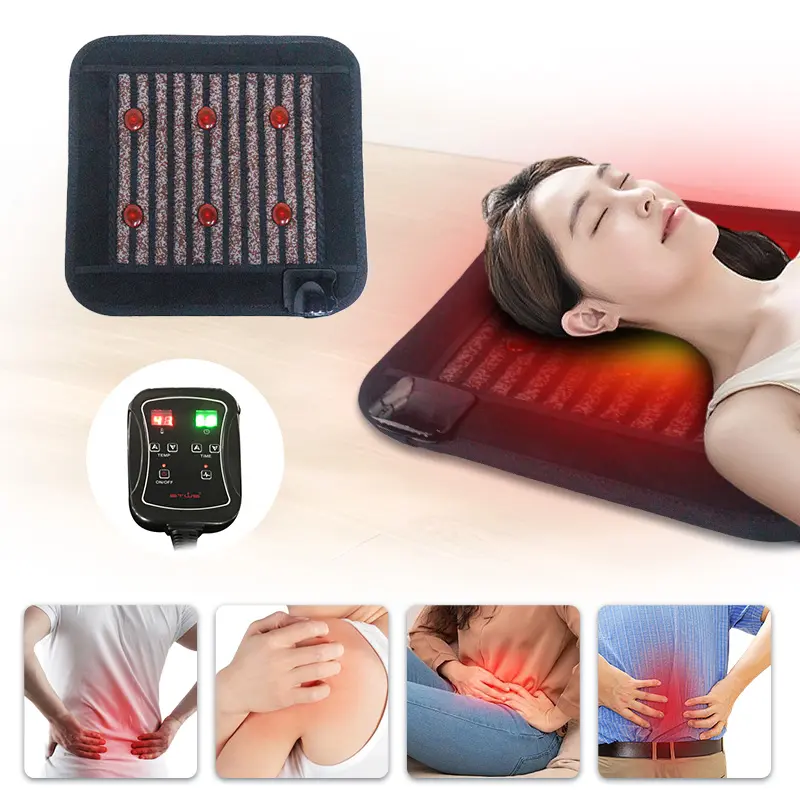
Յուրաքանչյուր ինֆրակարմիր սենյակում նստելուց հետո ամենալավը անմիջապես սրբելն է: Օգտագործեք թելից ազատ մանրաթել սրբիչներ՝ քսուքի և մաշկի յուղերի շերտերը չորանալուց կամ վատթարանալուց հետո հեռացնելու համար: Երբ մտածում եք մաքրել, վերցրեք EPA-ի հաստատած ախտահանիչ, որն աբրազիվ չէ, և հետևեք արտադրողի ցուցումներին ներկայացված նոսրացման հարաբերակցությունների վերաբերյալ: Ամոնիակ պարունակող միջոցներից խուսափեք, քանի որ դրանք կարող են վնասել ակրիլային մակերեսները և ժամանակի ընթացքում այն անջուր դարձնել: Փորձեք ավարտել ամեն ինչ մոտ 5 րոպեի ընթացքում: Որքան ավելի շուտ մաքրենք, այնքան ավելի մեծ է հնարավորությունը, որ խոնավությունը չի թափանցի էլեկտրական մասերի և կնիքերի շուրջ գտնվող զգայուն տարածքներ, որտեղ հիմնականում խնդիրներն առաջանում են:
Կատարեք ամսական հիմնական մաքրում՝ ընդգծելով դիմադրություն օրգանական կուտակումներին, հանքային նստվածքներին և կենսաթաղանթի հակված գոներին.
Մաքրման հետևան ստուգումները պարտադիր է հաստատեն, որ օդափոխման ակոսներում կամ էմիտերների ծածկերում մնացորդներ չկան: Հիմնական մաքրման համար կուպոլի կյանքը երկարացնում է 40%-ով համեմատելով ռեակտիվ սպասարկման հետ, ըստ հանդեսի ամսագրի հրապարակված հետազոտությունների Վայրի կառավարման ամսագիր (2023).
Միշտ անջատեք հոսանքը կոնտուրի անջատիչի մոտ, մինչ մաքրել էմիտերների, կառավարման վահանի կամ սարքավորման խողովակների մոտ: Հետևեք խիստ 3-փուլանի չորացման պրոտոկոլին
Լվացման ընթացքում պահեք 6 անգույսի հեռավորություն էլեկտրական մասերից։ Լրիվ չորացման առաջ վերակենդանացումը կարող է առաջացնել կարճ միացում, մեկուսացման անհամապատասխանություն և ջերմային փախուստ, հատկապես բարձր լարման ճառագայթող զանգվածներում
Շատ կարևոր է օդի շարժը ճիշտ կերպով կառավարել, երբ խոսքը հիգրոստատիկ խնդիրների կուտակման մասին է։ Օդափոխությունը պետք է լինի ամենօրյա պահպանման մաս, հատկապես այն պահերին, երբ օդը տաքանում է և խոնավություն է կուտակվում։ Սահմանափակել խոնավ օդի կուտակումը կանխում է կոնդենսացման խնդիրները ապագայում։ Բարելավված հսկման համակարգերը՝ իրական ժամանակում խոնավություն չափող սենսորներով, նույնպես շատ արդյունավետ են։ Այդ սարքերը կարող են զգուշացնող հաղորդագրություն ուղարկել, երբ խոնավությունը գերազանցում է 50%-ը, քանի որ այդ մակարդակից սկսած սնկերը սկսում են ավելի արագ աճել։ Շատ հաստատություններ օգտակար են համարում նաև կարճատև օդափոխության պարբերական ընդմիջումներ նախատեսել։ Կիսագնդաձև օդափոխման պատուհանները մոտ քսան րոպե բաց պահելը օգտագործումից հետո թույլ է տալիս խոնավությանը բնական կերպով դուրս գալ։ Այն շենքերը, որտեղ կիրառվում են այս մեթոդները, համեմատած հիմնական օդափոխության վրա հիմնված շենքերի հետ, մոտ երկու երրորդով քիչ են կանխում սնկերի առաջացումը։
Վերաբեռնված խնդիրները երկարաժամկետ ազդում են շենքի կառուցվածքի վրա: Փայտը թեքանում է, շերտերը սկսում են բաժանվել (դա կոչվում է դելամինացիա), և այդ մետաղե պետուրներն ու պերանները պարզապես փտնում են: Լավագույն մոտեցումը՝ սիլիկոնե պարանոցներով լցնել բոլոր էլեկտրական խողովածքների բացվածքները, որտեղ վահանները միանում են մեկը մյուսին, և շրջանակի միացումների շուրջը, որպեսզի կանխարարվի ջրի ներթափանքը: Երբ մարդ չկա, փայտե մասերի մոտ աշխատեցրեք որոշ լավ որակի խոնավություն կլանող սարքեր, պահելով օդի խոնավությունը մոտ 40-ից 45 տոկոսի միջակայքում: Սա օգնում է կանխարարել փայտի ընդարձակումն ու սեղմումը, որը պատճառ է դառնում ճեղքերի առաջացմանը: Սակայն ցեդարի և հեմլոկի շրջանակները պահանջում են հատուկ ուշադրություն: Կիրառեք այդ հիդրոֆոբային փայտի լցանյութերը, որոնք անվտանգ են, նույնիսկ եթե մեկ անգամ տարվա մեջ դրանք շփվում են սննդամթերքի հետ, որպեսզի կրճատեք ջրի ներծծման քանակը: Եվ մի մոռացեք ջերմային պատկերացման ստուգումները յուրաքանչյուր երեք ամիսը մի անգամ: Այդ սկաները հայտնաբերում են թեքանքը կամ ջերմային կամուրջները այն աստիճանից շատ ավելի շուտ, երբ ոչ ոք կնկատեր աչքով ինչ-որ բան սխալ է:
Ներքին կեդրոսի և հեմլոկի փայտը պահանջում է հատուկ խնամք, երբ տեղադրվում է ինֆրակարմիր գմբեթների տակ, որտեղ անընդհատ մատնանշվում են ջերմաստիճանի փոփոխությունների, բարձր խոնավության և UV լույսի ազդեցության մատնանշումները՝ անցնելով թափանցիկ գմբեթային նյութերի միջով: Այս տեսակի փայտերի գեղեցիկ տեսքը պահպանելու համար խորհուրդ է տրվում յուղերը թարմացնել ամեն մի քանի ամիսը մեկ: Լավ արդյունք է տալիս տունգի յուղը, կամ երբեմն՝ եռացրած նեսկի յուղը, եթե այն հասանելի է տեղում: Յուղը պետք է ներկվի նուրբ և հավասար շերտով՝ չավելացնելով: Փնտրեք այնպիսի ապրանքներ, որոնք պարունակում են լույսի կայունացնող հավելումներ, քանի որ արևի ճառագայթները ժամանակի ընթացքում կարող են փայտը քայքայել, առաջացնելով մոխրագույն բծեր, փխրուն թելեր և կորցնելով այն կեդրոսի հոտը, որը մարդիկ սիրում են: Խոնավությունը պահելը 40-60%-ի սահմաններում նույնպես կարևոր է: Շատ տեղադրումներ այժմ ունեն ներդրված մոնիտորներ, սակայն հետևեք այն դեպքերին, երբ ցուցմունքները դուրս են գալիս այդ օպտիմալ սահմաններից, քանի որ փայտը սկսում է արագ փոքրանալ և մեծանալ, առաջացնելով փոքրիկ ճեղքեր, որոնք ոչ ոք չի ցանկանում տեսնել: Ջերմային մշակված փայտը տարիների ընթացքում կարևոր տարբերություն է առաջացնում կառուցվածքների ուղղանկյուն մնալու հարցում: Որոշ ուսումնասիրություններ ցույց են տալիս, որ կայունությունը կարող է 70%-ով լավանալ, ուստի կորած շրջանակները դառնում են շատ ավելի հազվադեպ: Ցանկացած յուղային մշակումից հետո ամեն ինչ պետք է լիովին չորացվի՝ առնվազն երկու օր մինչև համակարգերի կրկնակի միացումը: Սա թույլ է տալիս լուծիչներին լրիվ գոլորշիանալ և պահում է ներքին օդը քիմիական նյութերի մնացորդներից անվտանգ:
Շաբաթական մեկ անգամ տեսողականորեն ստուգեք ջեռուցիչները եւ դրանց արտանետողները: Ուշադիր եղեք այնպիսի նշանների, ինչպիսիք են գույնի փոփոխման կետերը, խոռոչների ձեւավորումը, արտացոլիչների ազատումը կամ երբ փոշին կուտակվում է քառցե խողովակների եւ կերամիկական մասերի վրա: Մի մոռացեք ամրացնել բոլոր էլեկտրական միացությունները, երբ կատարում եք այս ստուգումները: Հավատացեք, թե ոչ, մոտ 30% վաղ ձախողումներն առաջանում են այն պատճառով, որ տերմինալները բավարար անվտանգ չեն այն վայրերում, որտեղ ամեն ինչ շատ տաք է դառնում, ըստ Energy Safety Journal-ի նախորդ տարվա տվյալների: Ջերմային չափման համար ամեն երեք ամիսը մեկ վերցրեք լավ որակի անպակաս ինֆրակարմիր ջերմաչափ: Համոզվեք, որ ջերմաստիճանի ցուցանիշները համապատասխանում են արտադրողի ցուցանիշներին, եւ պետք է լինեն մոտավորապես հավելյալ կամ մինուս 5%: Եթե սպասվածի եւ չափվածի միջեւ տարբերություն կա, դա սովորաբար նշանակում է, որ ինչ-որ բան ճիշտ չէ արտացոլիչների դասավորության հետ, միգուցե որոշ բաղադրիչներ հին են դառնում, կամ միգուցե փոփոխություն է տեղի ունեցել, թե որքան էներգիա է մատակարարվում: Ուզում եք սարքավորումները պահել մինչեւ տասնամյակի վերջը: Դե, ապա կանոնավոր պահպանությունը շատ կարեւոր է:
Միշտ ամբողջությամբ անջատեք սարքը և տրվեք առնվազն 30 րոպե հանգչելու համար, մինչև դուրս հանելու մասերը: Փաթաթաթեք բոլոր ստուգումների և կալիբրացման արդյունքները՝ կանխատեսող նորոգման պլանավորման աջակցելու և երաշխիքի համապատասխանությունը պահպանելու համար
Խորը մաքրում կատարեք կենսաթթվային չեզոք մաքրիչներով և կանխի համար վայնի և ջրի լուծույթով մշակեք սնկի առաջացման վայրերը, որպեսզի կանխարարեք սնկի և մնացորդների կուտակումը: ճիշտ վենտիլյացիան և խոնավության վերահսկողություն նույնպես օգնում են
Խորը մաքրում կատարեք կենսաթթվային չեզոք մաքրիչներով և կանխի համար վայնի և ջրի լուծույթով մշակեք սնկի առաջացման վայրերը, որպեսզի կանխարարեք սնկի և մնացորդների կուտակումը: Ճիշտ վենտիլյացիան և խոնավության վերահսկողություն նույնպես օգնում են
Վերահսկողություն կարևոր է կեղտի աճը և խոնավացումը կանխարարելու համար, որոնք կարող են վնասել կառույցները ժամանակի ընթացքում: Վերահսկողություն 50%-ից բարձր մակարդակի դեպքում կարող է արագացնել կեղտի աճը:
Վիզուալ ստուգումը պետք է կատարվի շաբաթը մեկ անգամ, իսկ ջերմային կալիբրացումը՝ եռամսյակը մեկ անգամ, որպեսզի ապահովենք արդյունավետ գործարկում:
Մաքրման հետո հասանելի մակերեսների սրբման, առնվազն 20 րոպե վենտիլյացիոն օդափոխիչների աշխատան, և հիգրոմետրերով ներքին խոնավության ստուգման 15%-ից ցածր մակարդակի վրա, ապա վերականգնել էլեկտրամատակարարումը, կարևոր քայլեր են:
 Թեժ նորություններ
2025-10-31
2025-02-08
2025-02-08
2025-02-07
Beautywellness Սุնքային Տեխնոլոգիա, SPECIALIZED մարզացնող շահագործություն far-ինֆրակարմիր սաունայի շարքը, գամբության սպա կապսուլներ, թերապիական սահքացող մատրաս, pemf մատ, և այլն։
Room 728, No. 777 Helong 1st Road, Baiyun District, Guangzhou City
Copyright © 2025Guangzhou Beautywellness Health Technology Co., Ltd. all rights reserved Գաղտնիության քաղաքականություն
 EN
EN