 EN
EN
How Infrared Dome Therapy Works for Skin Rejuvenation
What Is an Infrared Dome and How Does It Support Skin Rejuvenation?
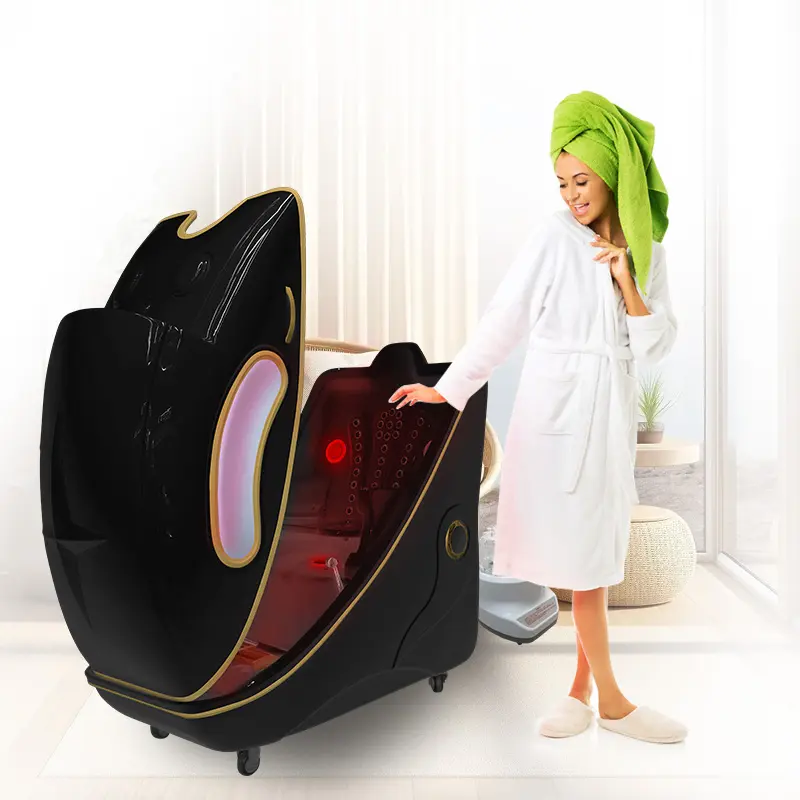
Infrared domes work as therapy devices emitting those far-infrared waves (FIR for short) that can actually reach down about four inches beneath the skin surface. What makes these different from regular saunas? They're all about something called photobiomodulation basically when light gets absorbed by cells and starts their healing processes going. The curved shape of the dome spreads out the heat pretty evenly across the body, which creates what some call a thermal shock effect helping flush out toxins without making anyone uncomfortable since the head stays outside where breathing remains normal. People notice better skin condition too because the treatment boosts collagen production and gets blood flowing better at a microscopic level throughout tissues.
The Science Behind Infrared Therapy for Skin Health
Research shows that far infrared wavelengths ranging from 5.6 to 25 micrometers actually get fibroblast cells working overtime. These little powerhouses are responsible for making collagen and elastin proteins that keep our skin looking firm and youthful. According to findings published last year in the Journal of Cosmetic Dermatology, people who tried infrared dome treatments experienced around a third more collagen density after just three months of regular sessions. What makes this work? Well, infrared light seems to boost energy production inside mitochondria by as much as 40%. That extra fuel helps cells repair themselves faster while fighting off those pesky free radicals that contribute to aging signs. Plus, the warmth opens up blood vessels too, which means better circulation delivers nutrients to skin cells at about a 22% higher rate than normal conditions.
Photobiomodulation for Skin Rejuvenation: Mechanisms Explained
Photobiomodulation leverages specific light wavelengths to upregulate skin repair processes. In infrared dome therapy:
- Cellular Energy Boost: FIR light activates cytochrome c oxidase, an enzyme that improves mitochondrial efficiency.
- Collagen Remodeling: Heat stress from FIR stimulates matrix metalloproteinases, enzymes that break down damaged collagen and replace it with new fibers.
- Detoxification: Sweat produced during sessions removes heavy metals and pollutants linked to skin dullness.
Unlike near-infrared (NIR), which targets superficial layers, FIR’s deeper penetration makes it ideal for addressing photoaging and improving dermal thickness.
Stimulating Collagen Production with Infrared Light
How Infrared Light Stimulates Fibroblast Activation and Collagen Production
Infrared light penetrates 2-5 mm into the dermis, activating fibroblast cells responsible for collagen synthesis. A 2014 German study (n=113) demonstrated a 24% increase in collagen density after 12 weeks of near-infrared (NIR) exposure. This photobiomodulation effect occurs as mitochondria absorb light photons, boosting ATP production by up to 70% (Journal of Photochemistry, 2019). Enhanced cellular energy enables fibroblasts to accelerate collagen and elastin production—key structural proteins that diminish with age.
Collagen Production and Anti-Aging Effects of Far Infrared: Clinical Insights
Far infrared (FIR) wavelengths (5.6-1000 Ĭ¼m) induce thermal collagen stimulation through increased microcirculation. A 2021 Korean trial in Yonsei Medical Journal showed FIR increased type I collagen synthesis by 31% in human dermal fibroblasts within 14 days. Participants using infrared dome therapy 3x/week experienced:
- 18% reduction in wrinkle depth (12-week measurement)
- 23% improvement in skin elasticity (Cutometer® readings)
Near Infrared vs. Far Infrared for Skin Health: Which Optimizes Collagen Synthesis?
| Parameter | Near Infrared (700-1200 nm) | Far Infrared (15-1000 Ĭ¼m) |
|---|---|---|
| Penetration Depth | 3-5 mm | 1-3 mm |
| Primary Mechanism | Direct cellular ATP activation | Thermal tissue heating |
| Collagen Increase | 26% (8-week clinical avg) | 19% (12-week clinical avg) |
| Treatment Frequency | 2-3x/week | 4-5x/week |
NIR achieves faster collagen gains through direct photochemical effects, while FIR provides complementary circulatory benefits.
Do All Skin Types Respond Equally to Infrared-Induced Collagen Stimulation?
Fitzpatrick skin types I-III show 22% greater collagen response rates compared to types IV-VI in controlled studies (Dermatologic Therapy, 2023). Higher melanin content absorbs 12-15% more infrared energy before reaching fibroblasts, requiring adjusted treatment durations. However, all skin types achieved measurable collagen improvements with protocol optimization—typically +10-15% intensity for darker complexions.
Cellular Repair and Mitochondrial Activation Through Infrared Exposure
Infrared Therapy and Mitochondrial Activation: Powering Cellular Repair
When infrared light hits the skin, it actually works on those tiny powerhouses inside our cells called mitochondria. The light stimulates something called cytochrome c oxidase, which plays a big role in how cells generate energy. What happens next is pretty cool – studies show this process can boost ATP production in treated cells by around 70%. That extra energy helps fix damaged DNA and build new proteins throughout the body. The special dome shaped devices used for infrared therapy manage to reach down about 4 to 6 millimeters beneath the surface of the skin. At that depth, they kickstart fibroblast activity, those important cells responsible for rebuilding collagen structures in the skin over time.
Improved Blood Circulation and Cellular Repair: Secondary Benefits of Infrared Exposure
Infrared exposure triggers nitric oxide release, increasing capillary dilation by 21% (Dermatologic Surgery 2022). This enhanced circulation ensures efficient delivery of oxygen and nutrients while removing metabolic waste, accelerating tissue regeneration. Patients undergoing weekly infrared dome sessions report 34% faster recovery of skin barrier function post-microinjury compared to controls.
Case Study: Enhanced Dermal Recovery in Photoaged Skin Using Infrared Dome Treatment
A 12-week trial with 45 participants demonstrated infrared dome therapy reduced UV-induced matrix metalloproteinases (MMP-1) by 52%, while increasing type I procollagen by 38%. Those receiving biweekly 20-minute sessions showed measurable improvements in elasticity (19% increase via Cutometer® assessments) and dermal density (23% increase via ultrasound imaging).
Clinical Evidence on Infrared Dome Therapy and Anti-Aging Results
Key clinical trials demonstrating infrared therapy and anti-aging effects
In a 2021 study involving 89 participants, those who used infrared domes saw about 23% more collagen density compared to the control group after going through 12 weeks of treatment. Around 78% of these folks actually noticed their skin getting firmer too, according to research published in the Journal of Cosmetic and Laser Therapy. Looking at another angle, when researchers tested far-infrared exposure on one side of people's faces in a 2023 experiment, they found oxidative stress markers dropped by roughly 41% in skin damaged by sun exposure. This aligns pretty well with what scientists reported in PLOS ONE where regular treatments led to about a third less deep wrinkles over time.
Reduction of fine lines and wrinkles through infrared exposure: Quantified results
Clinical metrics reveal infrared dome therapy achieves measurable anti-aging effects:
- Average 19% reduction in wrinkle volume (3D image analysis, 2022)
- 27% improvement in skin elasticity across Fitzpatrick skin types II-IV (Cutometer® measurements)
- 68% of subjects demonstrated >20% decrease in crow's feet lines after biweekly 20-minute sessions
These outcomes align with histological evidence of thickened epidermis (14% increase) and reorganized collagen fibers in dermal biopsies (Dermatologic Surgery, 2023).
Trend: Rising adoption of non-invasive dermatological treatments in aesthetic clinics
These days, around 18% of non-ablative treatments offered at U.S. medspas involve infrared dome systems, mainly because they tackle both aging signs and help with body detox at the same time. Looking at numbers from the American Society for Dermatologic Surgery, there's been quite a jump in light therapy procedures over the past few years. Since 2020 alone, usage has gone up by nearly 122%. Most doctors seem to favor treatments that protect the skin surface while still working deep beneath it. That's exactly what makes infrared dome tech stand out among other options available today. About 92% of practitioners have made this combination of safety and effectiveness their top concern when choosing equipment for patients.
Infrared Dome vs. Other Light Therapies: Advantages for Skin Rejuvenation
Comparative Analysis: Infrared Dome Versus Red Light Therapy for Skin Rejuvenation
The infrared dome approach seems to beat regular red light therapy when it comes to working on several skin renewal processes at once. Red light in the 630 to 700 nm range mainly boosts collagen production near the surface and helps calm down inflammation. But those longer infrared waves between 700 and 1200 nm actually reach 4 to 10 millimeters below the skin's surface. This deeper penetration gets fibroblasts going and kickstarts those important mitochondrial repair systems much better than what we see with standard red light treatments. Some research from last year showed people using these infrared domes saw about 32 percent fewer wrinkles after treatment compared to folks sticking with just red light. The difference probably has something to do with how both heat and light interact together in these devices.
Far Infrared vs. Near Infrared for Skin Health: Efficacy and Safety Profiles
| Parameter | Far Infrared (1500+ nm) | Near Infrared (700–1400 nm) |
|---|---|---|
| Penetration Depth | 30–40 mm (muscle/joint level) | 5–10 mm (dermal layers) |
| Primary Benefit | Detoxification via sweat | Cellular repair & angiogenesis |
| Collagen Impact | Indirect (via circulation) | Direct fibroblast activation |
Far infrared’s deep heat promotes toxin removal, while near infrared directly stimulates collagen-producing cells—making combined use in infrared domes ideal for comprehensive anti-aging.
Strategy: Integrating Infrared Dome Into Multi-Modal Anti-Aging Skincare Regimens
Top dermatology practices are combining infrared dome treatments with regular applications of retinoids and hyaluronic acid these days. According to research published in the Journal of Cosmetic Dermatology back in 2023, the heat from these domes actually boosts how well skincare products get absorbed into the skin by nearly 60%. Plus, the specific lights used in the treatment seem to speed up how fast skin cells renew themselves. Most professionals suggest doing 15 minute sessions under the infrared dome three times each week right before putting on those fancy peptide serums. This timing works best because the pores are wider after the treatment and the skin's natural healing processes are already kicking in.
FAQ Section
What is photobiomodulation and how is it used in infrared dome therapy?
Photobiomodulation is the process through which light is absorbed by cells, triggering healing processes. In infrared dome therapy, specific wavelengths of infrared light penetrate the skin to enhance cellular repair and collagen production.
How does infrared dome therapy improve collagen density?
Infrared dome therapy boosts collagen density by stimulating fibroblast cells and increasing mitochondrial efficiency. This leads to enhanced energy production within cells, promoting greater collagen synthesis and repair.
Are infrared dome treatments suitable for all skin types?
Most skin types can respond positively to infrared dome treatments. However, Fitzpatrick skin types I-III may experience greater collagen response rates. Adjustments to treatment durations and intensities might be necessary for optimal results across all skin types.
Can infrared dome therapy be safely combined with other skincare treatments?
Yes, infrared dome therapy is often combined with products like retinoids and hyaluronic acid to enhance skin rejuvenation. The heat from these domes improves the absorption of skincare products and accelerates cell renewal.
Table of Contents
-
How Infrared Dome Therapy Works for Skin Rejuvenation
- What Is an Infrared Dome and How Does It Support Skin Rejuvenation?
- The Science Behind Infrared Therapy for Skin Health
- Photobiomodulation for Skin Rejuvenation: Mechanisms Explained
- Stimulating Collagen Production with Infrared Light
- How Infrared Light Stimulates Fibroblast Activation and Collagen Production
- Collagen Production and Anti-Aging Effects of Far Infrared: Clinical Insights
- Near Infrared vs. Far Infrared for Skin Health: Which Optimizes Collagen Synthesis?
- Do All Skin Types Respond Equally to Infrared-Induced Collagen Stimulation?
- Cellular Repair and Mitochondrial Activation Through Infrared Exposure
- Clinical Evidence on Infrared Dome Therapy and Anti-Aging Results
- Infrared Dome vs. Other Light Therapies: Advantages for Skin Rejuvenation
- FAQ Section