
 EN
EN
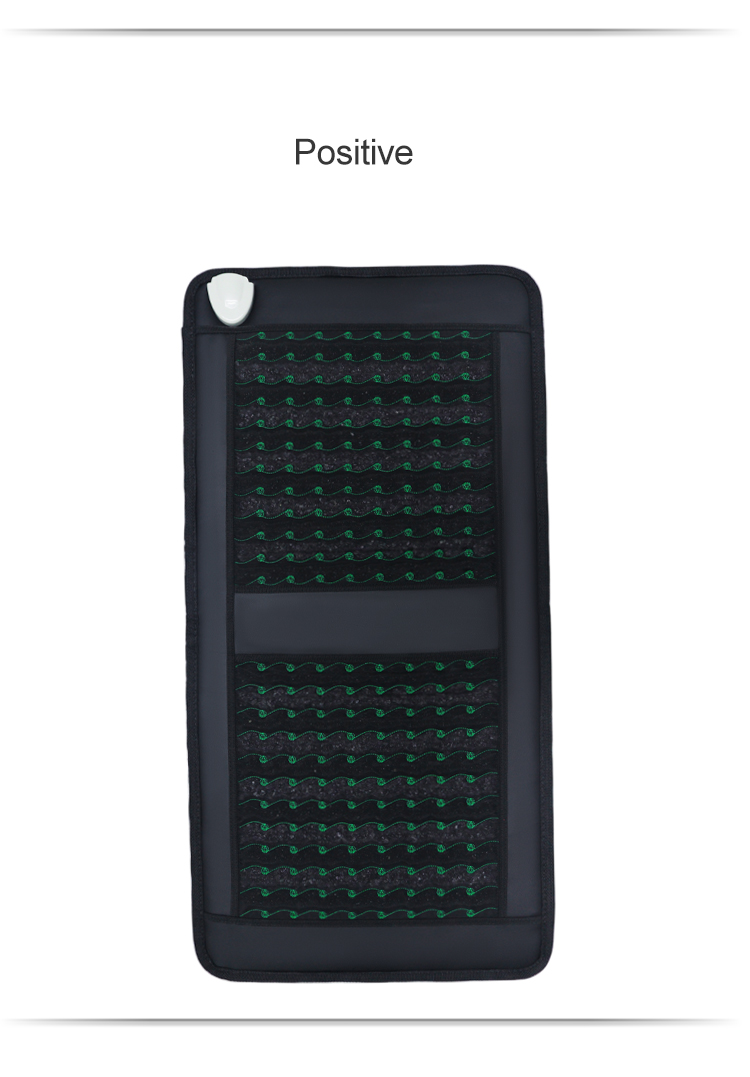
How Long Should a Detox Blanket Session Last? Evidence-Based Duration Ranges
Physiological Limits: Core body temperature, sweat response, and heat tolerance thresholds
Our bodies usually keep things running at about 37°C (that's 98.6°F for Fahrenheit folks). When temps go past 39°C (around 102°F), problems start happening, especially for people with heart issues, trouble regulating body temp naturally, or anyone dealing with long-term health concerns. Infrared heat makes us sweat as nature's way to cool down, but how well this works depends on lots of factors including whether we're properly hydrated, our fitness levels, getting older, and even the humidity in the air. From what doctors see in practice, body temps tend to jump up between 1-3°C during the first 20 minutes inside an infrared sauna. If these high temps stick around too long though, they just cause extra strain without any real benefits. Most smart guidelines out there, like ones published by the International Journal of Hyperthermia and actually used in places where people pay good money for thermal treatments, suggest keeping sessions under 45 minutes max. And here's something important nobody wants to hear mid-session: listen closely to what your body is telling you. Get out right away if feeling dizzy, noticing strange heartbeats, feeling sick to stomach, or suddenly confused.
User-Level Framework: Beginner (10–15 min), Intermediate (20–30 min), Advanced (30–45 min)
A tiered duration framework aligns with progressive heat acclimation and supports long-term adherence:
- Beginners (1st–4th session): Start with 10–15 minutes at ₪50°C to safely assess tolerance and initiate mild thermoregulatory adaptation
- Intermediate (5+ sessions, no adverse effects): Progress to 20–30 minutes once consistent sweating and stable heart rate are observed
- Advanced (regular users with established tolerance): May extend to 30–45 minutes—but only if core comfort, hydration, and post-session recovery remain uncompromised
Hydration remains non-negotiable: electrolyte loss averages 0.5–1.5 L per session, necessitating replenishment with sodium-, potassium-, and magnesium-rich fluids. Never use advanced-duration sessions daily; allow at least 24–48 hours between longer exposures to support autonomic recovery.
How Often Can You Use a Detox Blanket? Frequency Recommendations by Goal
Daily vs. intermittent use: Supporting recovery, sleep, or chronic stress management
Frequency should be goal-driven—not habitual. Evidence from thermal wellness research and integrative medicine practice indicates:
- Beginners: 2–3 weekly sessions (15–20 minutes each) allow safe neural and circulatory adaptation to infrared stimuli
- Post-exercise recovery: Up to 4 sessions/week, ideally timed within 2 hours after physical activity when localized inflammation peaks and blood flow is elevated
- Chronic stress modulation: Consistent 3×/week evening use leverages the body’s natural cortisol decline, supporting parasympathetic activation and HPA-axis regulation
- Sleep enhancement: Limit to one 30-minute session no later than 2 hours before bedtime—avoiding thermal stimulation too close to sleep onset, which can disrupt melatonin kinetics
In all cases, prioritize post-session rehydration with electrolyte-balanced fluids and monitor for fatigue or irritability, which may indicate overuse.
Contraindications: When to pause usage (e.g., illness, medication, pregnancy)
Detox blanket use must be paused during:
- Acute febrile illness: Added thermal load impairs immune coordination and elevates metabolic demand
- Cardiovascular medications (e.g., beta-blockers, diuretics, vasodilators): These alter heart rate variability, sweat response, and peripheral perfusion—consult a physician before resuming
- Pregnancy: Fetal hyperthermia risk is well-documented above 38.9°C (102°F); infrared use is contraindicated throughout gestation
- Implanted electronic devices (e.g., pacemakers, insulin pumps) or active chemotherapy cycles: Electromagnetic interference and systemic immune vulnerability warrant strict avoidance
- Autoimmune conditions (e.g., multiple sclerosis, lupus): Heat sensitivity is common and may trigger symptom flares, per guidance from the National MS Society and peer-reviewed case series
After any health change or treatment interruption, restart at 50% reduced duration and frequency, then advance gradually only with sustained tolerance.
Debunking Detox Blanket Myths: What 'Detox' Really Means—and Why Duration Isn’t Everything
'More sweating = more detox': Evaluating the science of heavy metal and toxin elimination
There's no real evidence backing up claims that spending hours on detox blankets helps flush out heavy metals or environmental toxins through sweat. Most people don't realize this, but sweat itself is mostly just water and salt - around 99% of what comes out when we perspire. The actual amount of harmful substances removed through sweating is extremely minimal. A study in the Journal of Environmental and Public Health found that less than 1% of all toxins leave our bodies through sweat glands, while our livers and kidneys handle about 90% of the work. Many folks get confused because they see lots of sweat and assume that means their body is getting rid of more bad stuff. But actually, sweating too much can be dangerous, leading to dehydration, dizziness when standing up, and even putting extra stress on the heart, all without any real benefit for detox purposes. What really matters for supporting our body's natural detox systems is eating foods packed with nutrients, getting enough protein to help make glutathione (our body's main antioxidant), staying active regularly, and making sure we get good quality sleep at night. Spending over 45 minutes in an infrared sauna tends to push body temperatures into risky territory without giving any noticeable boost to liver or kidney function.
Optimizing Your Detox Blanket Session: Practical Tips for Safety and Efficacy
Maximize benefits while minimizing risk with these evidence-informed practices:
- Hydrate strategically: Drink 16–24 oz of water after each session—and consider an electrolyte formula containing sodium, potassium, and magnesium to restore balance lost through sweat
- Prepare skin intentionally: Gentle dry brushing or mild exfoliation before use may improve microcirculation and support healthy epidermal barrier function, though direct evidence for enhanced “toxin release” is lacking
- Monitor in real time: Adjust temperature downward or end early if lightheadedness, flushing, or rapid breathing occurs—even during short sessions
- Prioritize recovery: Follow each session with light movement (e.g., walking or gentle stretching) to support lymphatic flow and circulation, and consume a nutrient-dense meal rich in antioxidants and quality protein within 90 minutes
- Value consistency over intensity: Clinical observation across thermal wellness cohorts suggests that 2–3 weekly sessions yield cumulative improvements in metabolic efficiency, skin elasticity, and subjective energy—far more reliably than infrequent marathon sessions
Remember: meaningful detoxification is reflected in sustainable improvements—better sleep continuity, stable digestion, steady energy, and improved resilience—not immediate profuse sweating or dramatic short-term changes.
FAQ
How often should I use a detox blanket?
Frequency should align with your personal goals. Beginners can start with 2-3 weekly sessions of 15–20 minutes each, while post-exercise recovery can benefit from up to 4 sessions per week, ideally timed within 2 hours after activity.
Can detox blankets help eliminate toxins?
Detox blankets primarily make you sweat, but actual toxin elimination via sweat is minimal. Your liver and kidneys handle most detoxification work.
Are there any contraindications for using detox blankets?
Yes, detox blankets should be avoided during acute illnesses, pregnancy, and for those with cardiovascular medications, implanted electronic devices, or autoimmune conditions. Always consult with a healthcare provider in such cases.
Table of Contents
- How Long Should a Detox Blanket Session Last? Evidence-Based Duration Ranges
- How Often Can You Use a Detox Blanket? Frequency Recommendations by Goal
- Debunking Detox Blanket Myths: What 'Detox' Really Means—and Why Duration Isn’t Everything
- Optimizing Your Detox Blanket Session: Practical Tips for Safety and Efficacy
- FAQ