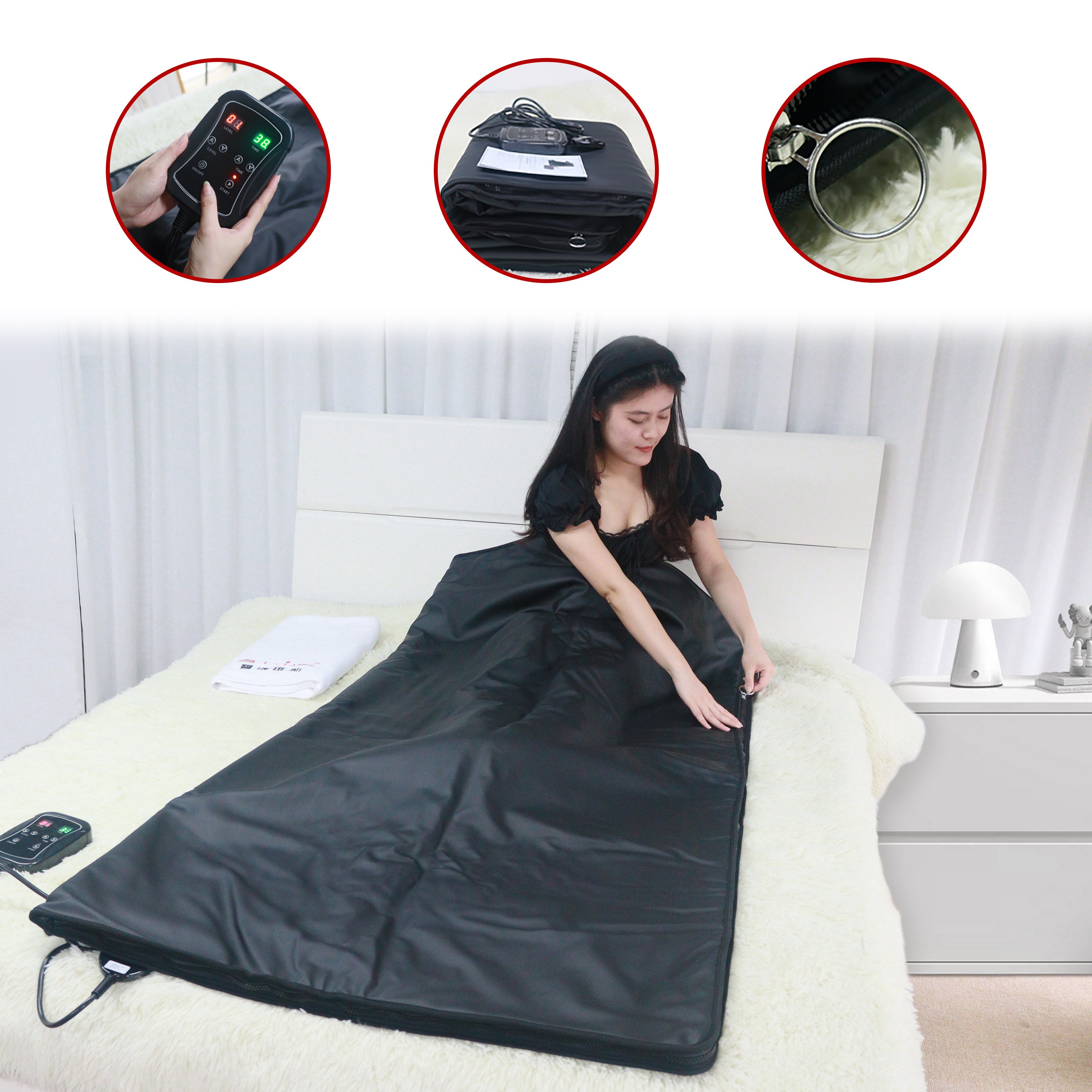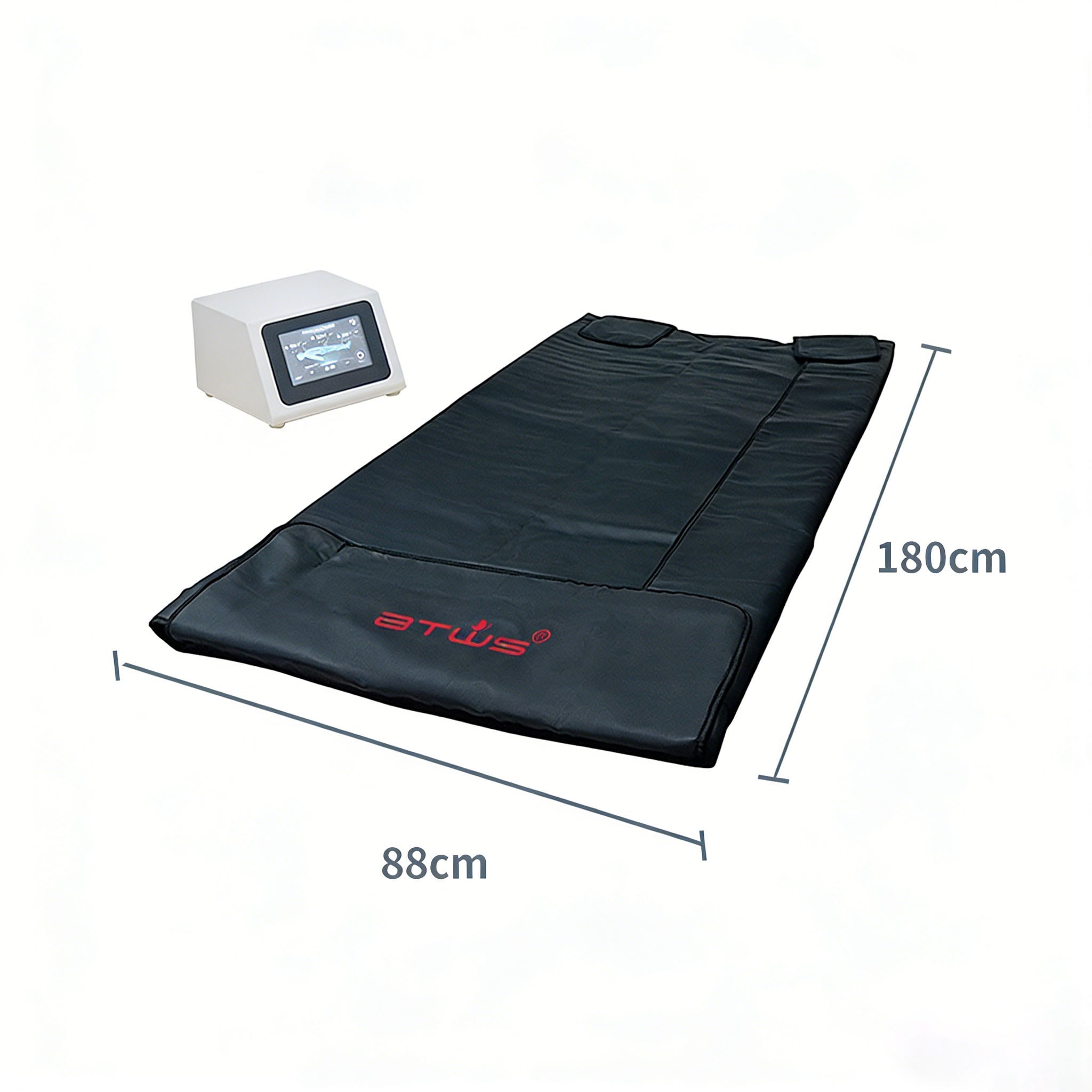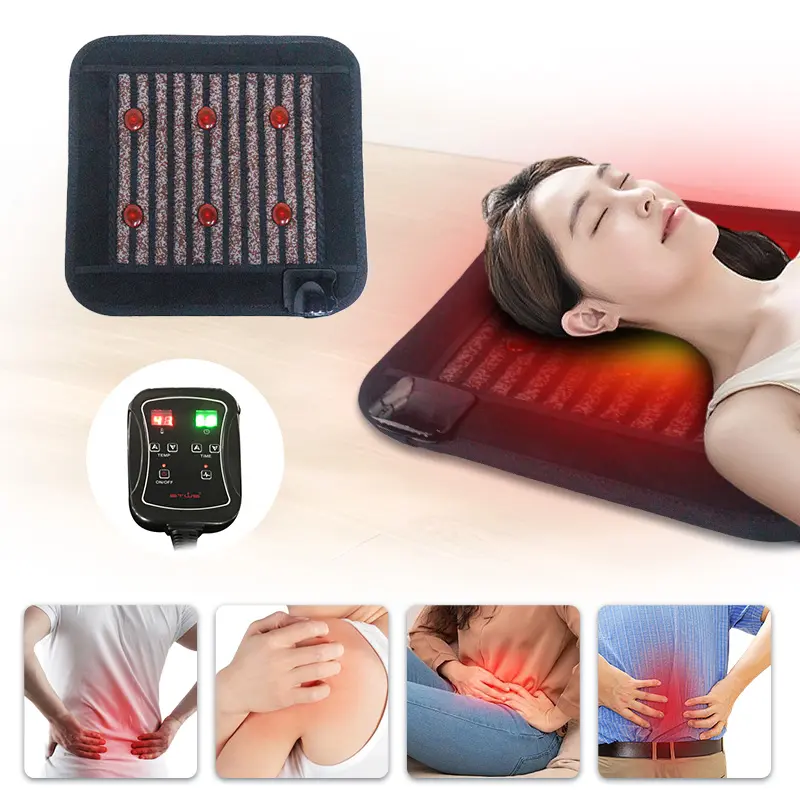
Detox blankets work by using specific far infrared (FIR) wavelengths, usually between 5 to 15 microns, to create warmth that goes deep into tissues without making the room itself very hot. Traditional saunas heat everything around them through air movement, but FIR actually gets into the body about an inch and a half beneath the skin surface. This activates temperature sensors in our bodies and kickstarts our natural temperature regulation system. What happens next is pretty cool stuff too: blood vessels expand, tiny blood vessels get better circulation going, and we start sweating even when the room isn't super warm (around 40 to 60 degrees Celsius). Most good quality detox blankets have carbon fiber panels inside them because they're built to release heat right where our bodies absorb it best. These panels help cells communicate better and boost metabolism as well.
When someone gets exposed to far infrared, their body actually goes through some pretty noticeable changes. Heart rates can jump anywhere between 20 to 30 percent, similar to what happens when walking fast. Blood flows better around the limbs too, and people start sweating much more than expected even if the room isn't particularly hot. The word detox gets thrown around a lot these days, but there really is research backing up how infrared induced sweating helps get rid of certain substances both inside our bodies and from outside sources. A recent study published in the Journal of Environmental Medicine showed something interesting about this topic. They found that sweat gathered during those FIR sessions had about three times more lead, mercury, and cadmium compared to regular workouts or traditional steam saunas. Around seventy percent of all toxins leave the body through skin and kidneys anyway. These organs work better when circulation improves, lymph moves around more freely, and we stay properly hydrated. It's definitely not some magical process pulling stuff out though. Far infrared doesn't mess with DNA, hurt cells, or give off dangerous radiation either. Most medical experts agree on this after looking at years of data, including recommendations from the American College of Sports Medicine back in 2021.
During infrared therapy sessions, people tend to lose fluids mainly because of the intense sweating that happens over time. Some research shows folks can sweat out around 500 milliliters in just half an hour when exposed to controlled heat environments. This kind of sweating drains not only water but also important minerals such as sodium, potassium, and magnesium from the body, which increases the risk of becoming dehydrated much quicker than during regular exercise. Since far infrared technology works at cooler temperatures compared to traditional saunas, the body might not signal thirst properly, so people often miss those early warning signals. Common signs they should watch for include constantly feeling thirsty, noticing darker urine color, experiencing tiredness, dizziness, or finding their skin doesn't snap back quickly when pinched. If someone ignores these signs, even mild dehydration can start affecting brain function and heart performance within a few hours. That's why it's really important to drink water regularly throughout these sessions instead of waiting until parched.
Staying properly hydrated isn't just about drinking lots of water but also keeping track of electrolytes in the body. Start things off right by having around 16 to 24 oz of regular water somewhere between one to two hours before any physical activity begins. This helps get cells ready for action. While working out, take small sips of about 2 to 4 oz every fifteen minutes or so instead of gulping down big amounts all at once since this might lead to stomach issues or even something called low blood salt levels. Right after finishing up exercise, drink another 16 to 24 oz of a drink that has electrolytes like sodium (at least 200 mg), potassium (around 100 mg), and magnesium (about 20 mg). These minerals help bring back balance inside our bodies. Keep on top of hydration throughout the day following workouts too. Water along with fruits and veggies high in moisture content such as cucumbers, watermelons, and celery will do wonders for kidneys and skin health over time.
| Timing | Fluid Type | Amount | Key Benefit |
|---|---|---|---|
| Pre-session | Plain water | 16–24 oz | Optimizes plasma volume and cellular readiness |
| Post-session | Electrolyte-enhanced fluid | 16–24 oz | Restores mineral balance critical for nerve/muscle function |
| Next 4 hours | Water + hydrating foods | Ongoing | Sustains fluid equilibrium and supports metabolic clearance |
When someone undergoes infrared therapy, their body mainly depends on two ways to regulate temperature: sweating and increased blood flow close to the skin's surface. The deeper penetration of far infrared radiation puts extra strain on these systems, particularly affecting the heart and circulation as it tries to move warm blood around while still getting enough to important organs. Blood is mostly made up of water, about 90% give or take, so when people get even slightly dehydrated, they start having trouble producing sweat and getting rid of heat properly. This makes staying hydrated not just helpful but absolutely essential for anyone wanting to safely manage their body temperature during infrared sessions.
Stop your session immediately if you experience any of the following:
If someone feels overheated or dizzy, they should get into a cooler area with good airflow, then lie back with their feet raised just a bit while drinking something with electrolytes in it. Wait till every last symptom goes away before getting back on those infrared devices again. And if things come back around, it's probably wise to talk to a doctor about what might be going on. The folks at NIOSH have been saying since 2023 that people who brush off the early warning signs of heat exhaustion are three times more likely to end up with dangerous heatstroke instead. Better safe than sorry when dealing with body temperature issues.
For those new to this practice, starting small makes sense. Try 10 to 15 minutes at a time, maybe two or three days each week. The body needs time to adjust both how it regulates temperature and handles physical stress without getting overwhelmed. Before jumping in though, talking to a doctor is really important, particularly for folks dealing with high blood pressure issues, heart conditions, diabetes management, or anyone on meds that might affect how their body handles heat like water pills, heart rate controlling drugs, or certain antidepressants. And remember, these blankets aren't meant for nighttime use when asleep, definitely not after drinking alcohol or taking sleeping pills either. Stay away from them completely when feeling unwell with something like a cold or flu symptoms going on.
Gradually extend workout times by just 5 minutes each week, but don't go beyond 30 minutes total for any single session. Keep track of things like resting heart rate, how hydrated we feel in the mornings, and even check skin elasticity as signs of progress. Also pay attention to what our bodies tell us subjectively. When someone starts feeling tired, dizzy, or takes longer than usual to recover after working out (more than two hours seems too much), it's time to cut back on either how long or how often they train. People who stick with this approach usually find themselves doing around three to four sessions every week, making sure there's at least two days between workouts so the body can properly rest and rebuild. The key takeaway here is simple but important: showing up regularly with moderate effort works wonders over time compared to those occasional intense bursts that burn out quickly.
Infrared detox blankets are contraindicated for several populations due to well-documented physiological risks:
A 2023 clinical review in Complementary Therapies in Medicine emphasized that infrared therapies can modulate drug metabolism and vascular reactivity—warranting caution for patients on chronic medications.
Seek medical clearance before use if you have:
Discontinue use immediately and consult your provider if adverse reactions occur—even mild ones. Safer alternatives (e.g., low-intensity movement, targeted breathwork, or guided thermal contrast therapy) may be recommended based on individual health status.
Detox blankets use far infrared technology to penetrate the body, improving circulation, promoting sweating, and aiding detoxification without significantly heating the room.
Infrared detox blankets are generally considered safe as they don't emit harmful radiation and don't interfere with DNA or cells. However, individuals should consult healthcare providers for contraindications.
Stay hydrated by drinking water before, during, and after sessions and incorporating electrolytes to maintain mineral balance.
Those who are pregnant, have cardiovascular disease, uncontrolled hypertension, neurological impairments, active cancer treatments, or diabetes with peripheral neuropathy should avoid using detox blankets.
 Hot News
Beautywellness Health Technology,Specialized in manufacturing far-infrared heating sauna series, beauty spa capsules, therapy heating mattress ,pemf mat,etc.
Room 728, No. 777 Helong 1st Road, Baiyun District, Guangzhou City
Copyright © 2025Guangzhou Beautywellness Health Technology Co., Ltd. all rights reserved Privacy Policy
 EN
EN